Optimising 5-Axis CNC Milling for a Complex 316 Stainless Steel Subsea Housing Fixture
The Challenge
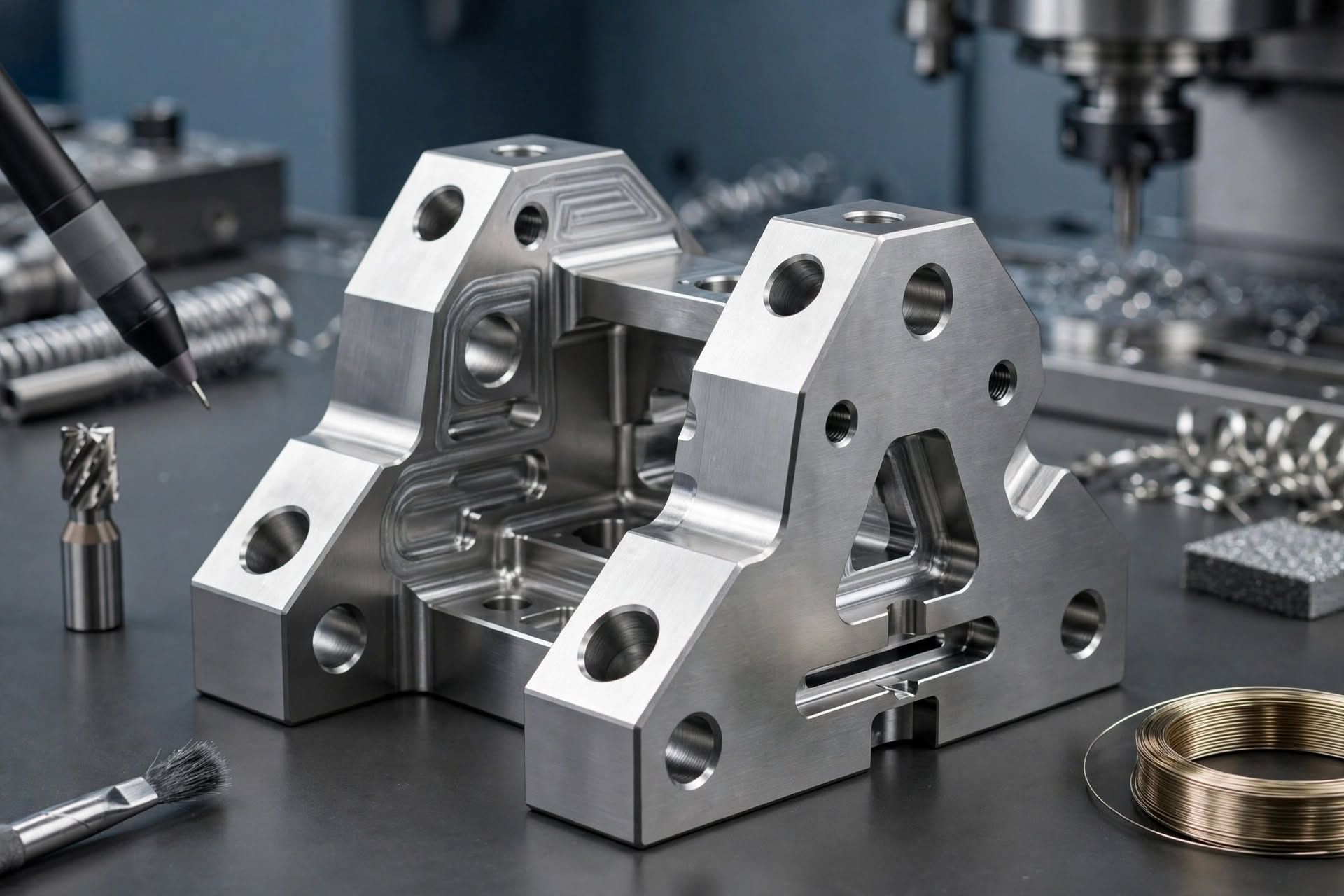
A UK engineering client required a small production batch of complex 316 stainless steel subsea housing fixtures for use during assembly and servicing operations. The component incorporated multiple angled faces, intersecting bores, recessed pockets and a series of narrow locating features that needed to remain dimensionally stable during machining.
The original manufacturing concept involved multiple CNC setups, increasing the risk of positional variation between features. The thin sections around several pockets also created a risk of vibration and tool deflection, while internal keyway geometry required a secondary process.
For a CNC machining Scotland specialist, the challenge was therefore not simply removing material. The objective was to produce a repeatable component with controlled geometry, clean transitions and a target surface finish of approximately Ra 1.6 µm on critical machined faces, while keeping setup and handling time commercially viable.
The Engineered Solution
Strategic Innovations approached the component as a combined machining and process-planning exercise rather than treating each feature as an isolated operation.
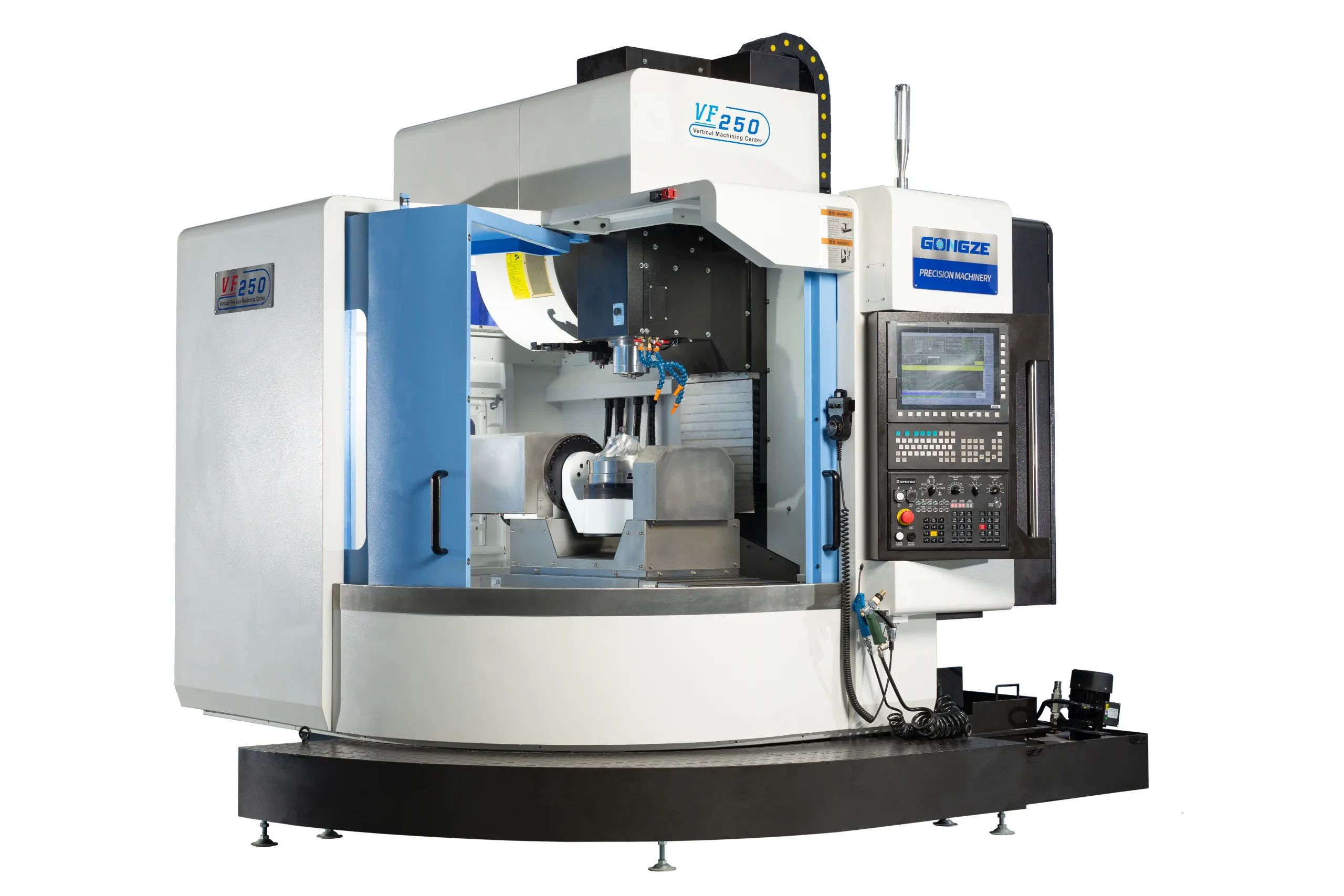
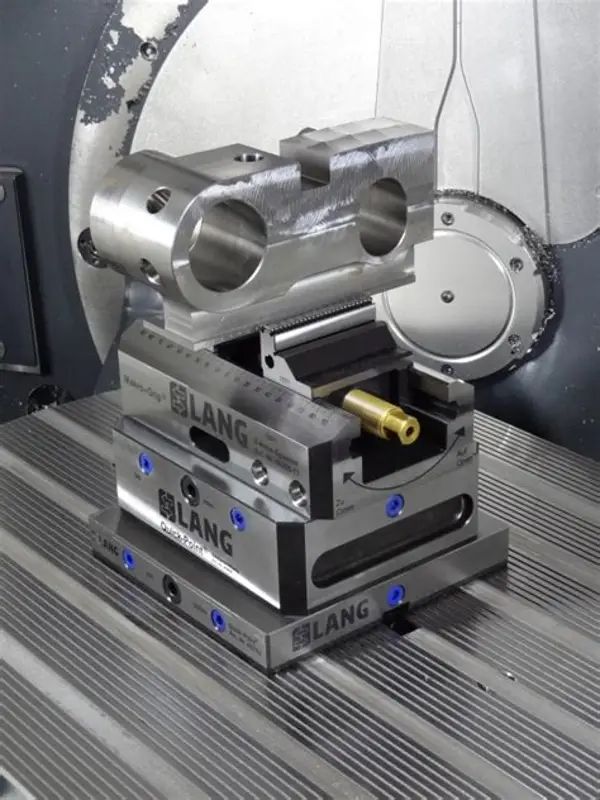
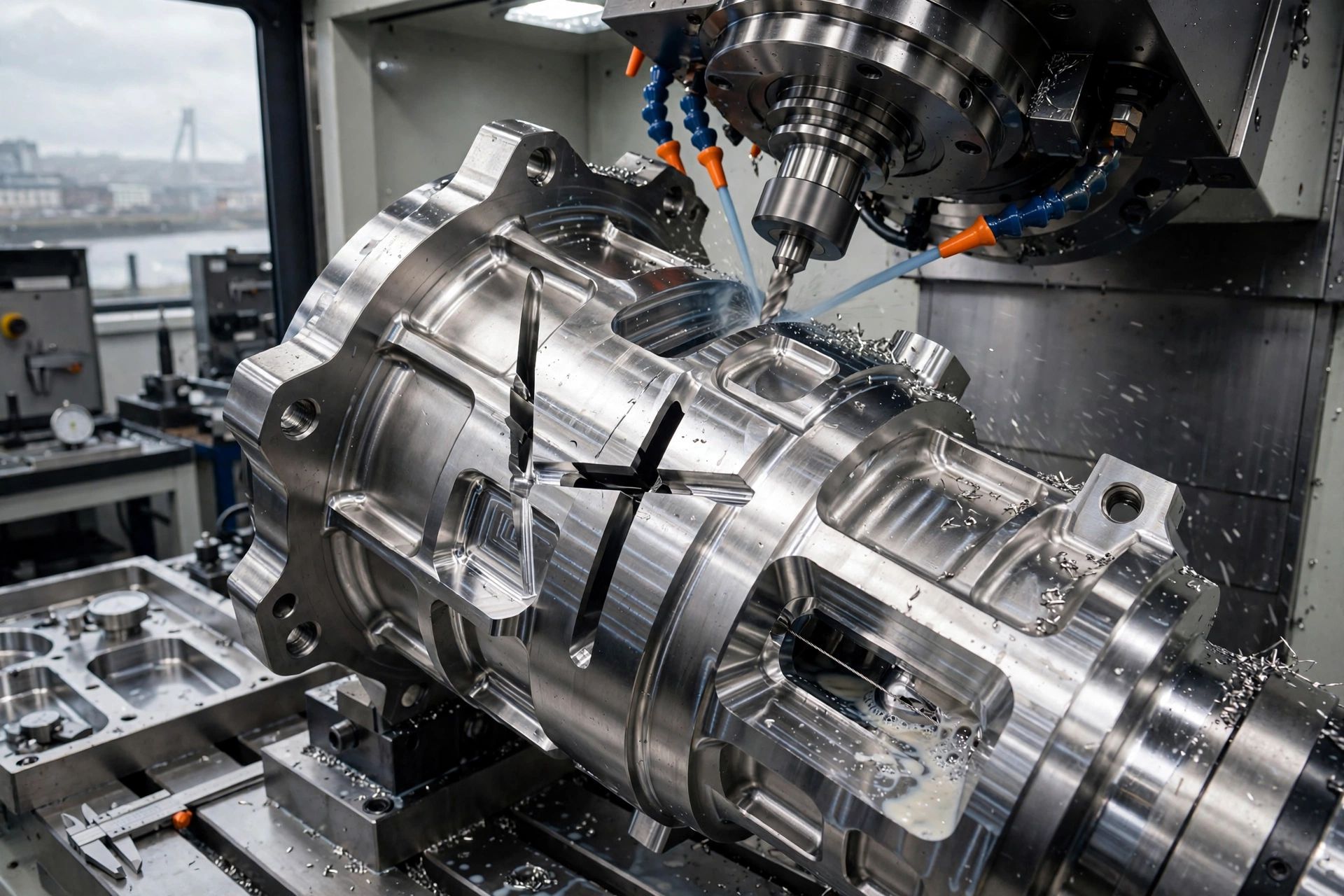
The first stage involved reviewing the component geometry and identifying which surfaces could be accessed through a single datum strategy. The team selected 5-axis CNC milling for the principal machining operation, allowing the workpiece to be positioned around several angular features without repeatedly removing it from the machine.
This reduced the planned machining sequence from three primary setups to one main machining setup, improving positional consistency between the locating faces and intersecting features.
Because 316 stainless steel can generate significant cutting heat and work-hardening if machining parameters are poorly controlled, toolpaths were programmed to maintain consistent engagement. Roughing strategies were used to remove bulk material progressively, followed by controlled semi-finishing and finishing passes. Smaller stepovers were introduced around the thin-wall sections to minimise cutting forces and reduce the potential for deflection.
The team also used dedicated finishing passes on the critical locating surfaces, rather than attempting to achieve final dimensions during heavy roughing operations.
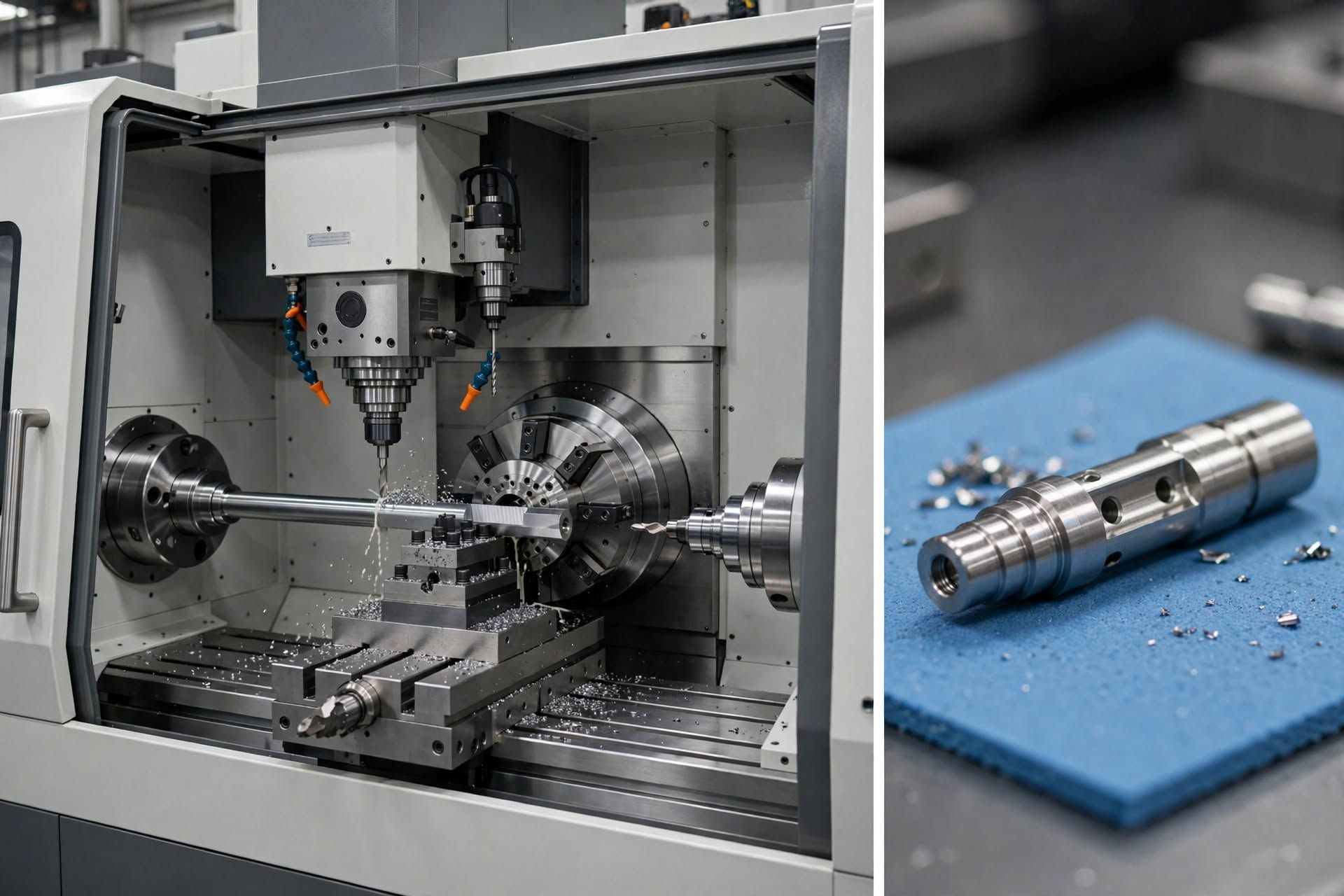
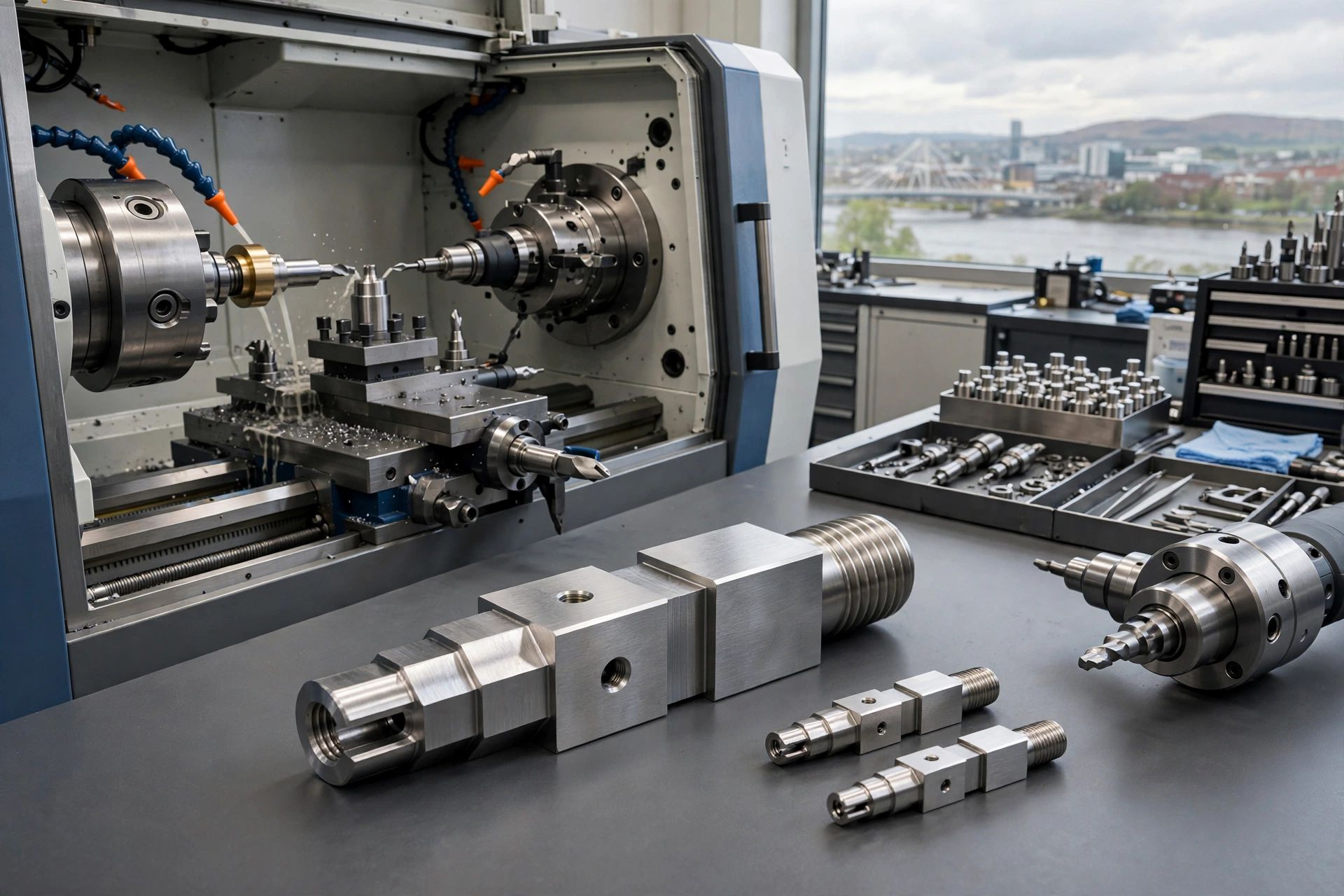
Several cylindrical features were produced through CNC turning before the milling stage, establishing accurate reference geometry. Where the component required smaller precision turned parts as part of the wider fixture assembly, CNC sliding head turning provided an efficient route for producing repeatable precision turned parts.
A narrow internal keyway presented another challenge. Rather than forcing the geometry through conventional milling, EDM wire erosion Scotland capability was incorporated into the manufacturing route. EDM provided a controlled method of producing the hardened or difficult-to-access feature while maintaining the required profile.
After machining, edges were carefully deburred and the component underwent surface finishing and dimensional checks against the drawing requirements. Laser marking was then used where identification was required, before the individual components were brought together through sub-assembly engineering.
This single-source approach reduced external handling between separate subcontractors and gave the client one manufacturing route from raw material through machining, finishing and assembly.
Outcome & Operational Impact
The revised process reduced primary setup requirements by approximately 67%, moving from three machining setups to one principal 5-axis setup.
Overall manufacturing lead time was reduced by an estimated 22%, largely through fewer setup changes, reduced inter-operation handling and the integration of EDM and finishing activities into a coordinated production plan.
Critical machined surfaces achieved a repeatable finish of approximately Ra 1.6 µm, while controlled tool engagement helped minimise visible chatter around the thinner sections.
The project demonstrates the value of combining precision engineering Dundee expertise with multiple in-house capabilities. Instead of treating milling, turning, EDM and assembly as separate activities, the manufacturing strategy was developed around the complete component lifecycle.
For subcontract customers, that can translate into fewer handovers, shorter lead times and a more efficient route from technical drawing to finished assembly.
Have a complex engineering component or production bottleneck? Send your technical specifications and RFQ straight to the engineering team at Strategic Innovations Dundee Ltd for a comprehensive manufacturing evaluation.