The Challenge
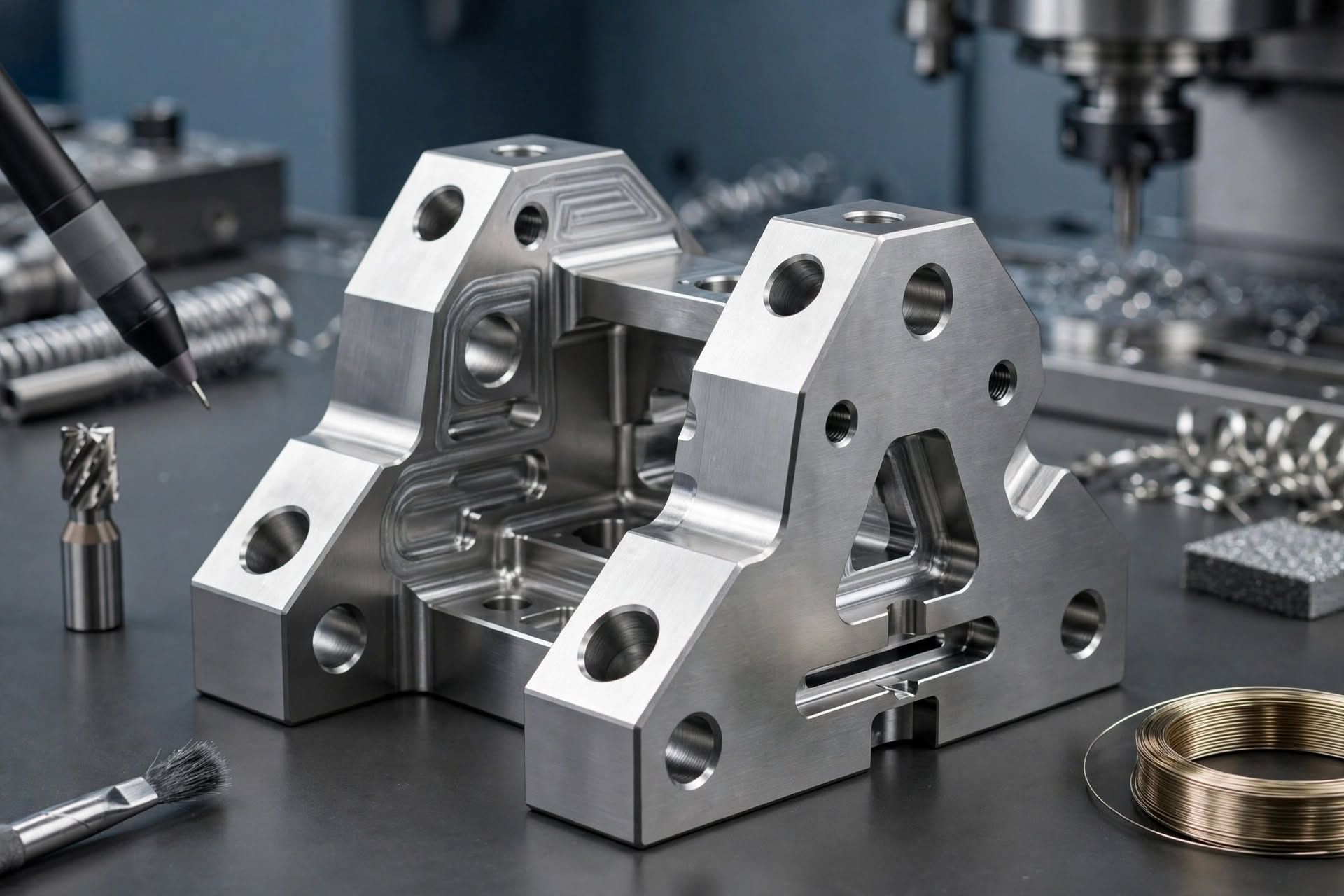
A UK subsea equipment manufacturer required a small production batch of complex 316 stainless-steel housing fixtures for a non-regulated offshore assembly system. The component incorporated multiple angled mounting faces, precision bores, internal relief features and a narrow blind keyway. The original manufacturing route required several machine setups, increasing datum variation and creating additional opportunities for tool deflection during the deeper milling operations.
The client also faced a lead-time problem. Conventional machining involved separate milling, turning and specialist EDM operations across different suppliers, creating additional transport and scheduling delays. The objective was therefore not simply to produce the component, but to develop a more efficient subcontract manufacturing route that maintained dimensional consistency while reducing setup and handling time.
The Engineered Solution
As an experienced provider of CNC machining Scotland customers can rely on, Strategic Innovations Dundee Ltd began by reviewing the component geometry and identifying which features could be consolidated into fewer operations.
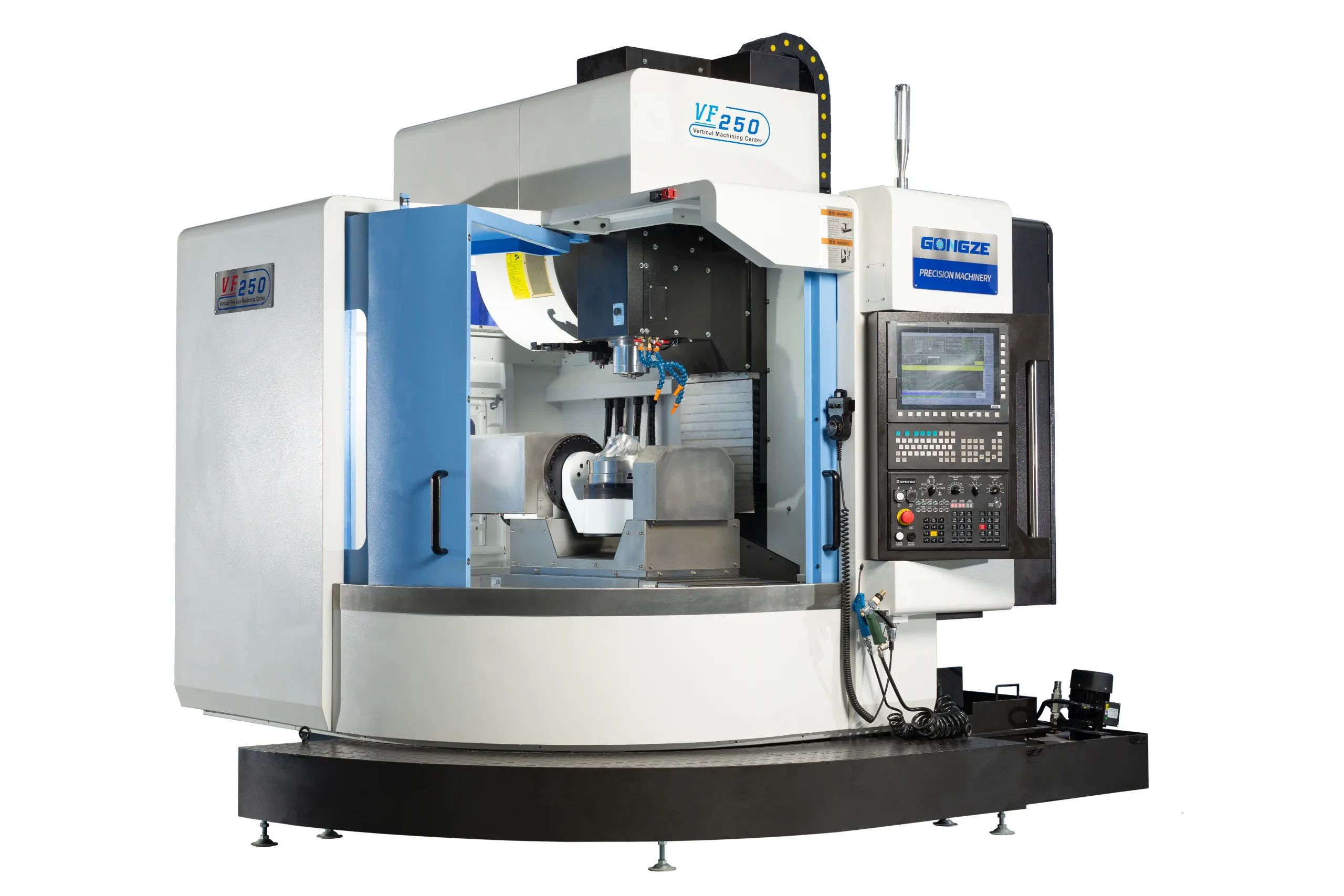
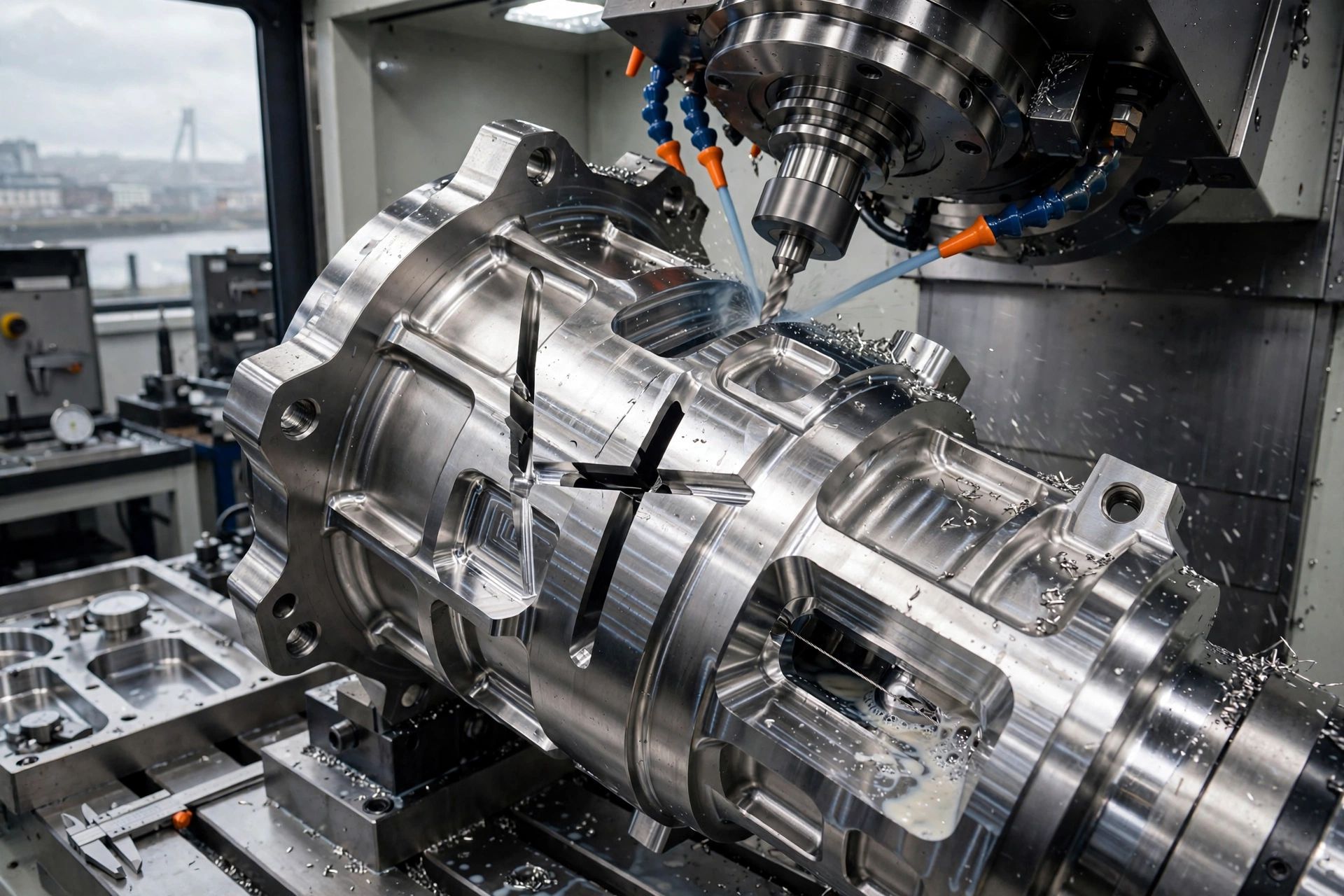
The main body was produced from 316 stainless steel, selected for its corrosion resistance and suitability for the intended offshore environment. The manufacturing strategy centred on 5-axis CNC milling, allowing multiple angled faces to be accessed from a common datum rather than repeatedly repositioning the workpiece.
The initial CAM strategy used adaptive roughing to remove bulk material while controlling radial engagement and reducing excessive heat generation. Finishing toolpaths were then programmed using smaller-diameter carbide cutters, with controlled stepovers around the thin-wall sections. Particular attention was given to tool deflection because several pockets had relatively deep walls where excessive cutting pressure could compromise positional accuracy.
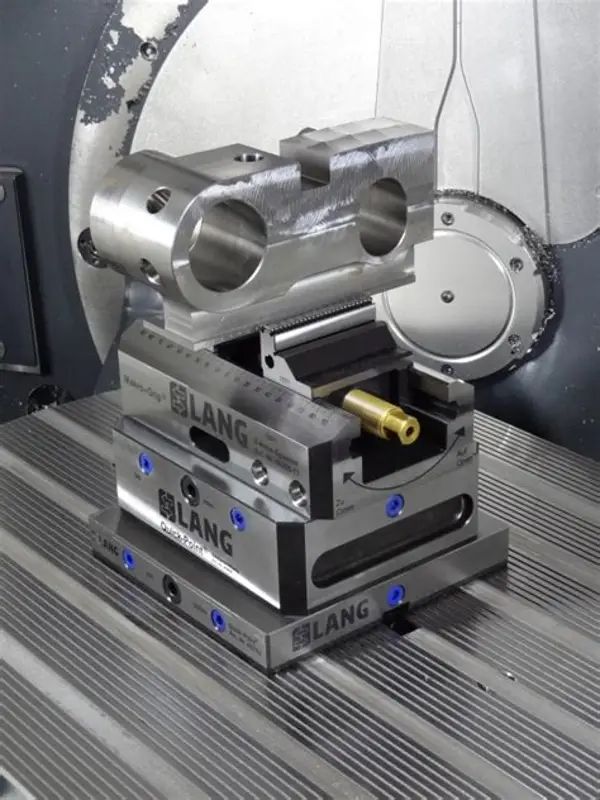
Using simultaneous 5-axis positioning also reduced the requirement for separate fixtures. The component moved from a three-setup milling route to a single principal machining setup, significantly reducing non-cutting time and improving feature-to-feature consistency.
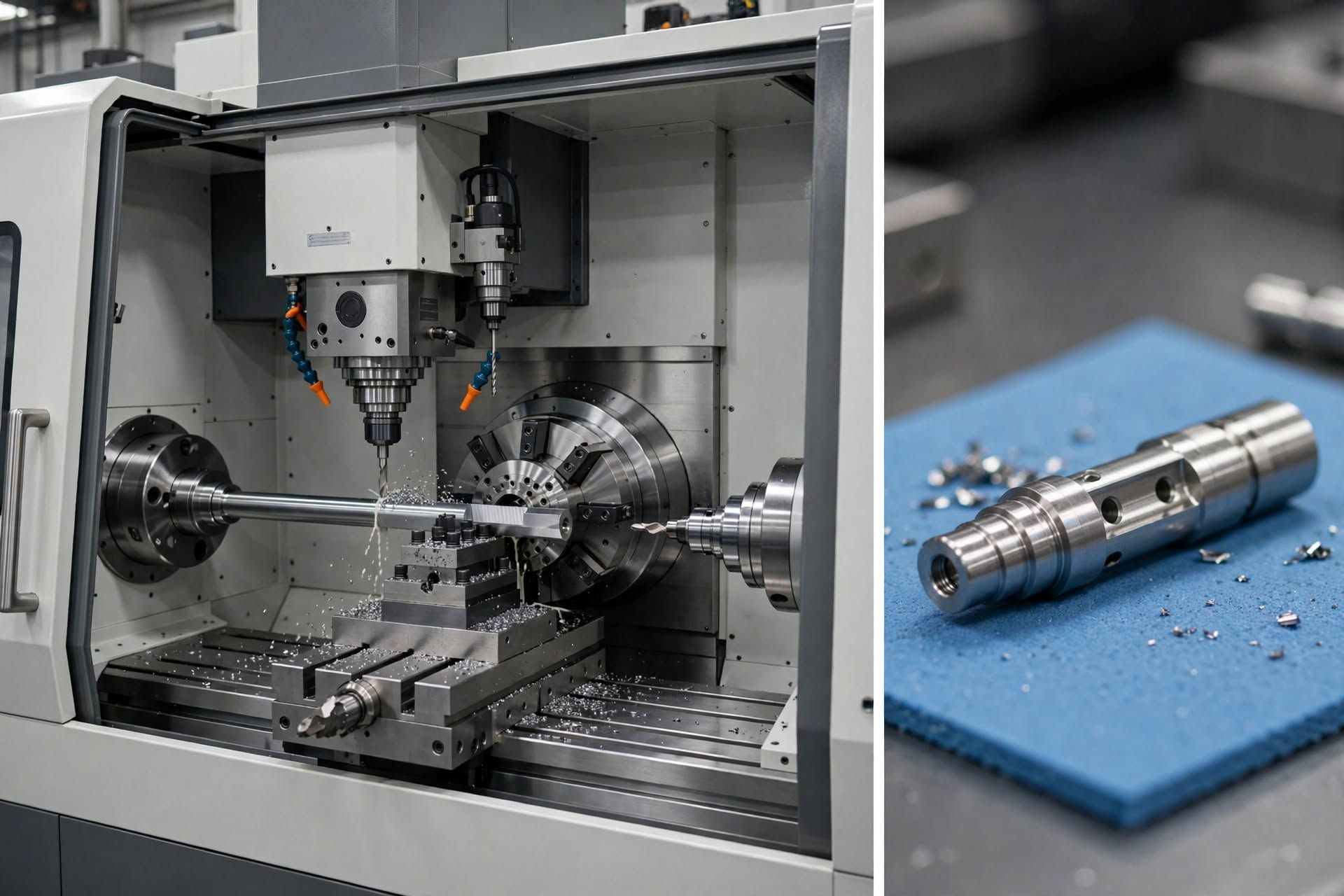
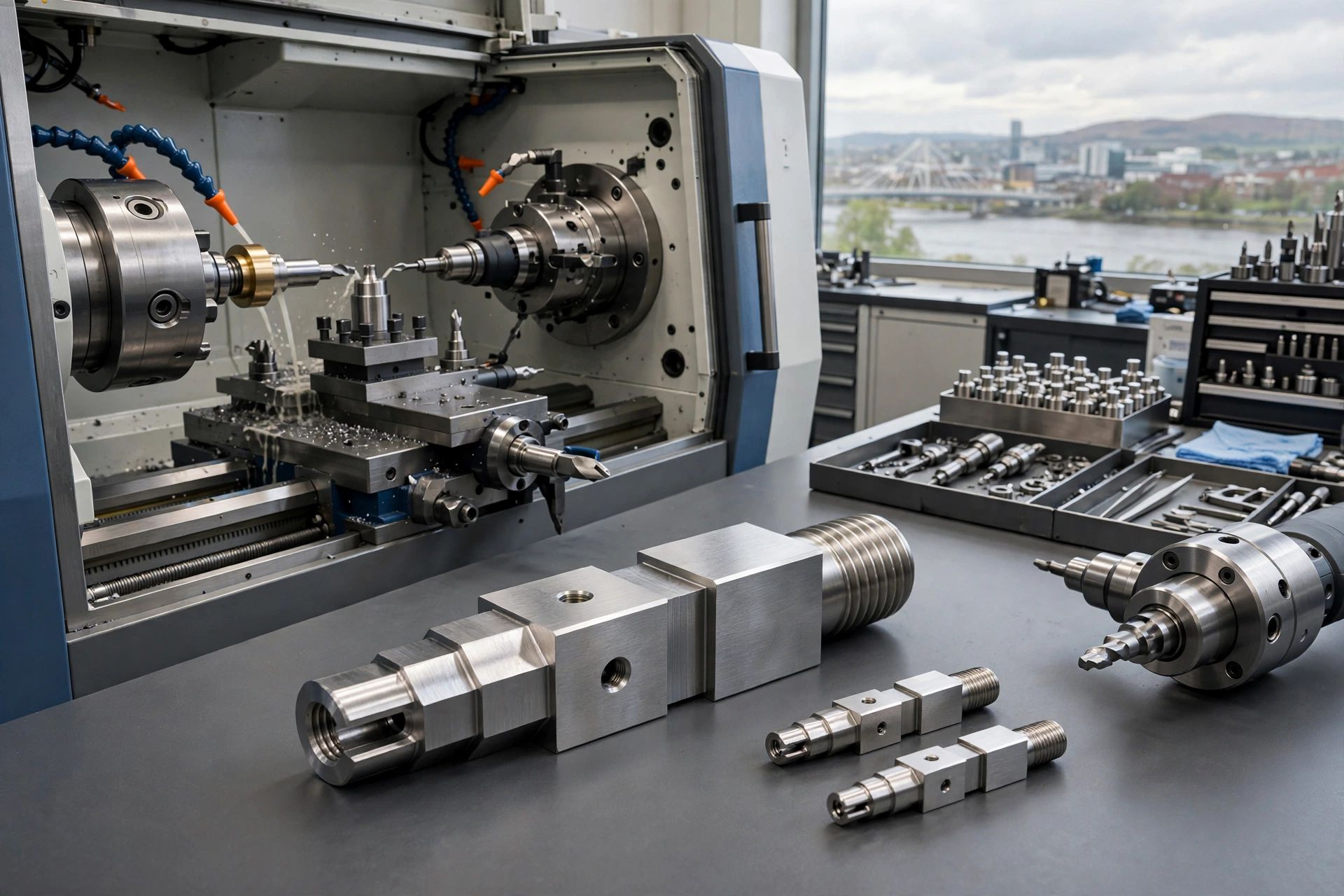
Precision bores and turned reference features were subsequently produced using CNC turning operations. Where appropriate, boring passes were separated from roughing operations to improve bore geometry and surface quality. The process also incorporated probing checks between operations, allowing key datum positions to be verified before the final machining stages.
The narrow blind keyway presented a different challenge. Rather than forcing a conventional milling cutter into the restricted geometry, Strategic Innovations used EDM wire erosion Scotland capability to produce the specialist feature accurately. This eliminated the risk of cutter breakage and provided a clean, repeatable profile in the hardened or difficult-to-access section.
After machining, the fixture underwent deburring and surface finishing, with particular attention given to transitions between machined faces. Critical surfaces were targeted at approximately Ra 1.6 µm, while less critical areas were finished to a practical engineering standard appropriate to their function.
Final laser marking was then applied for component identification before the part moved through the company’s sub-assembly engineering process. This single-source approach removed the need for the client to coordinate multiple subcontractors.
Outcome & Operational Impact
The revised manufacturing route delivered measurable improvements. Consolidating the milling operations reduced setup requirements by approximately 65%, while eliminating repeated fixture changes shortened overall machine preparation and handling time.
The production lead time was reduced from an estimated 15 working days to approximately 10 working days, despite retaining the specialist EDM operation. The controlled finishing strategy achieved approximately Ra 1.6 µm on the specified functional surfaces, while the single-datum 5-axis approach improved consistency across the angled features.
For the client, the key benefit was a simplified subcontract route. Milling, turning, EDM, finishing, marking and assembly coordination could be managed through one engineering partner rather than several suppliers.
This project demonstrates how precision engineering Dundee capability can combine advanced machining with practical production planning to reduce cost, handling and lead-time pressure within the wider subcontract manufacturing UK market.
Ready to discuss your next complex component? Have a challenging engineering component or production bottleneck? Send your technical specifications and RFQ straight to the engineering team at Strategic Innovations Dundee Ltd for a comprehensive manufacturing evaluation.