Reducing Setup Time on a Complex Duplex Stainless Subsea Fixture Through 5-Axis CNC Machining
The Challenge
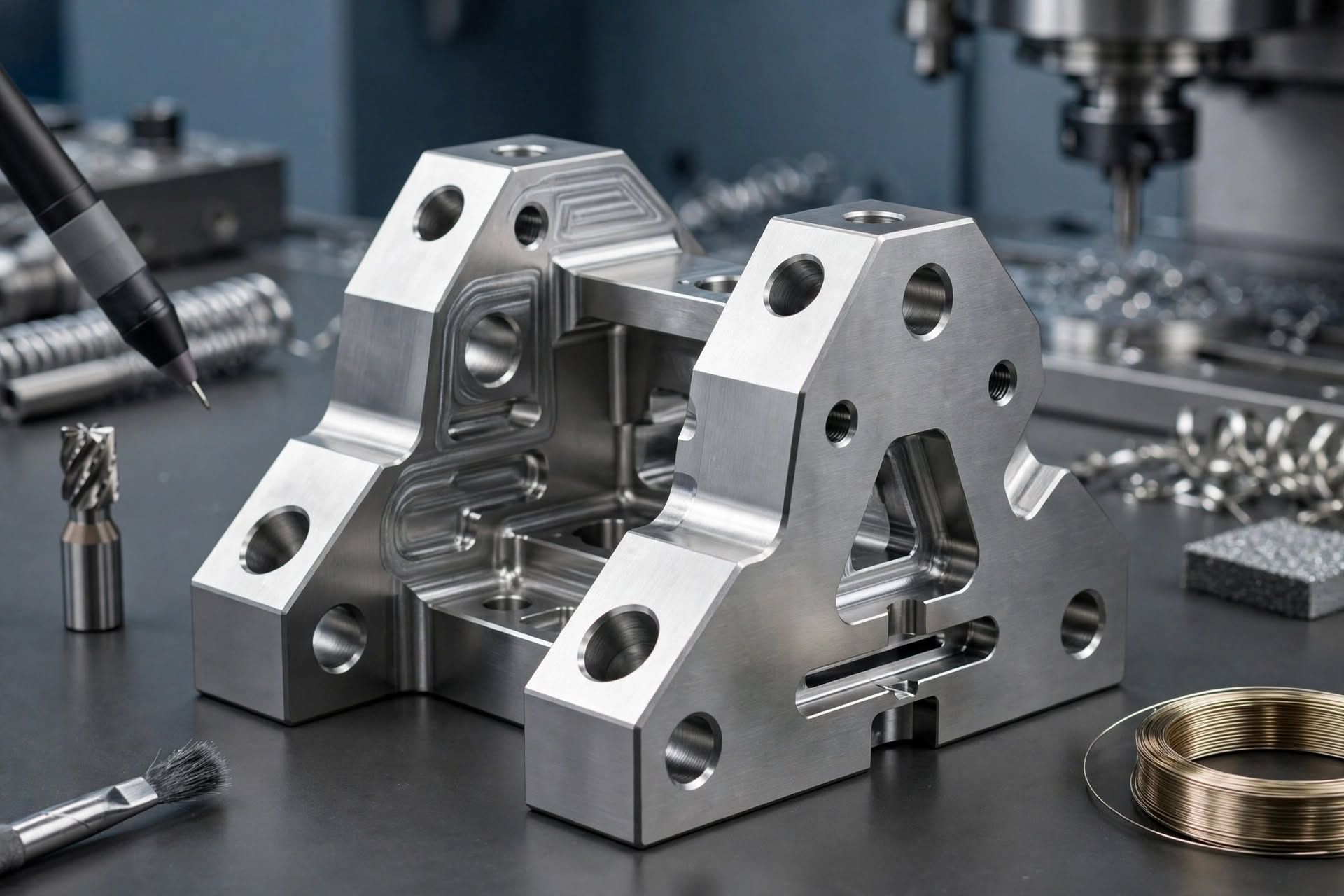
A UK engineering client required a batch of specialist subsea positioning fixtures manufactured from Duplex stainless steel. The component incorporated multiple angled mounting faces, intersecting bores, recessed pockets and a series of precision locating features that had to maintain accurate positional relationships across several faces.
The original manufacturing proposal involved multiple machining setups, increasing the risk of accumulated positional variation and adding considerable non-cutting time. The Duplex material also presented a challenge around heat generation, tool wear and maintaining stable cutting conditions around the thinner sections of the fixture.
The requirement was not simply to produce the component accurately. The client needed a repeatable subcontract manufacturing route that could improve lead time without compromising the surface finish or functional geometry.
The Engineered Solution
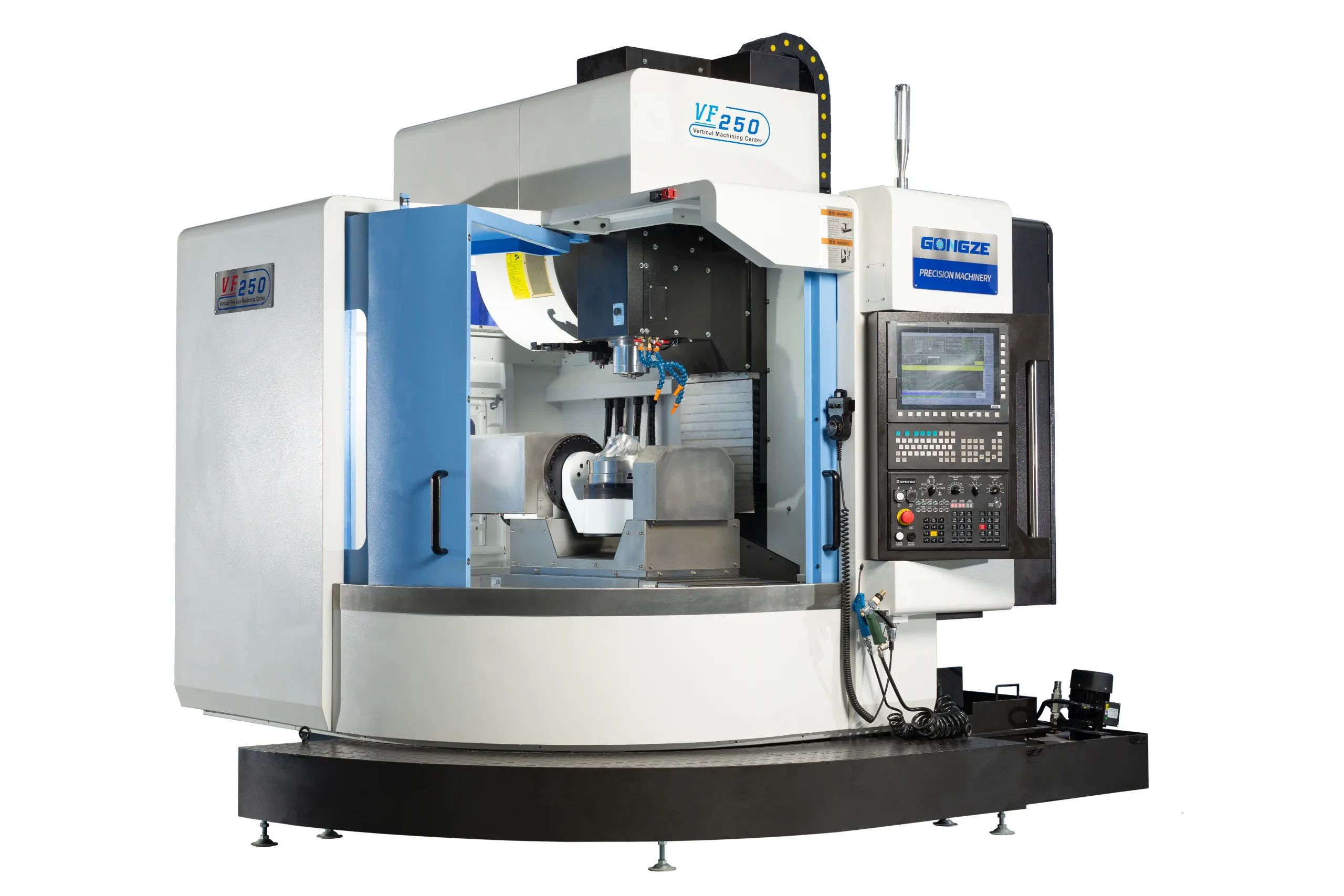
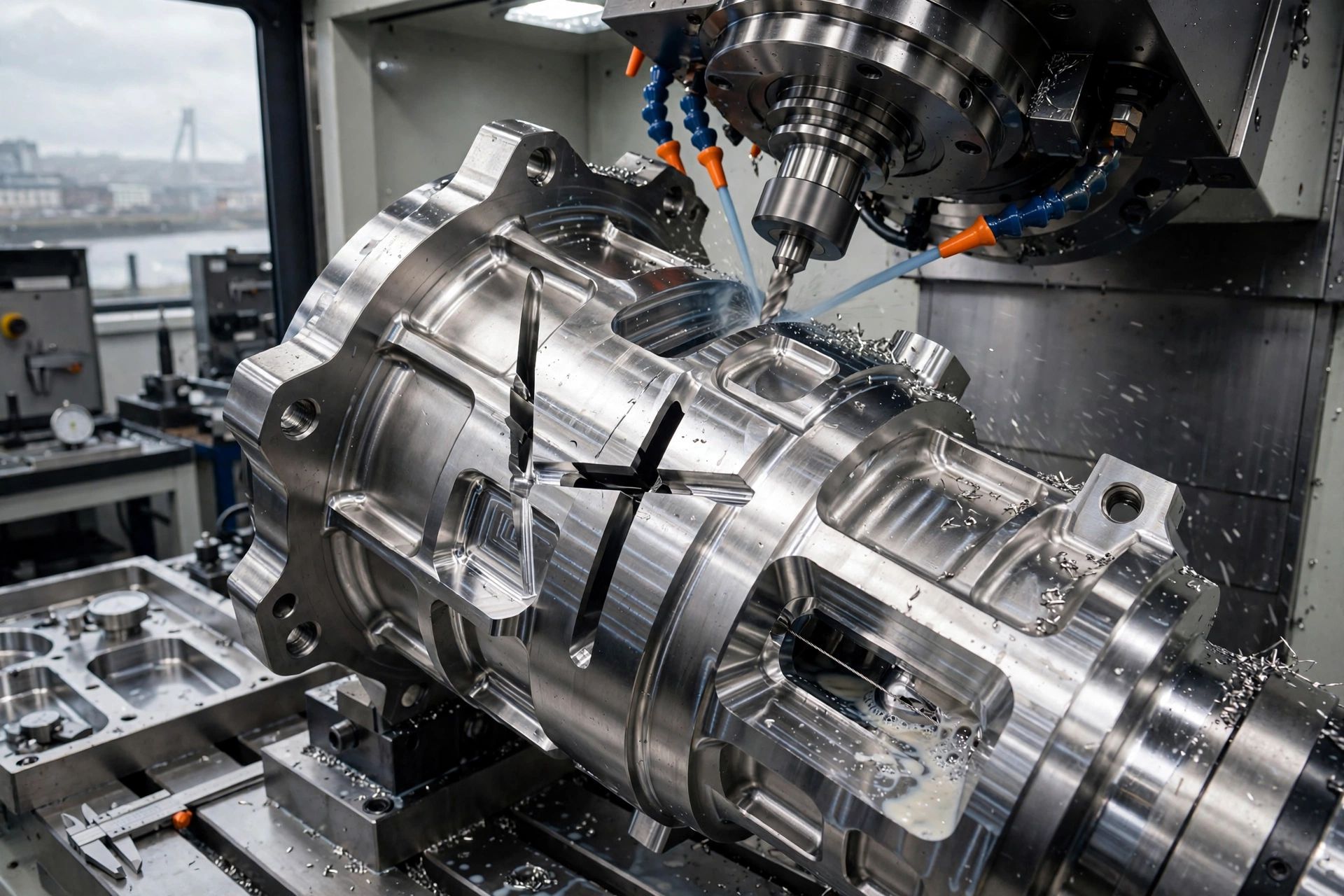
Strategic Innovations approached the project by reviewing the complete manufacturing sequence before cutting material. The team identified that 5-axis CNC milling could significantly reduce the number of workholding changes required.
The initial stock was prepared with controlled machining allowances before being transferred to a 5-axis machining centre. Rather than machining each angled face independently, simultaneous multi-axis toolpaths were developed to access several features while maintaining a common datum strategy.
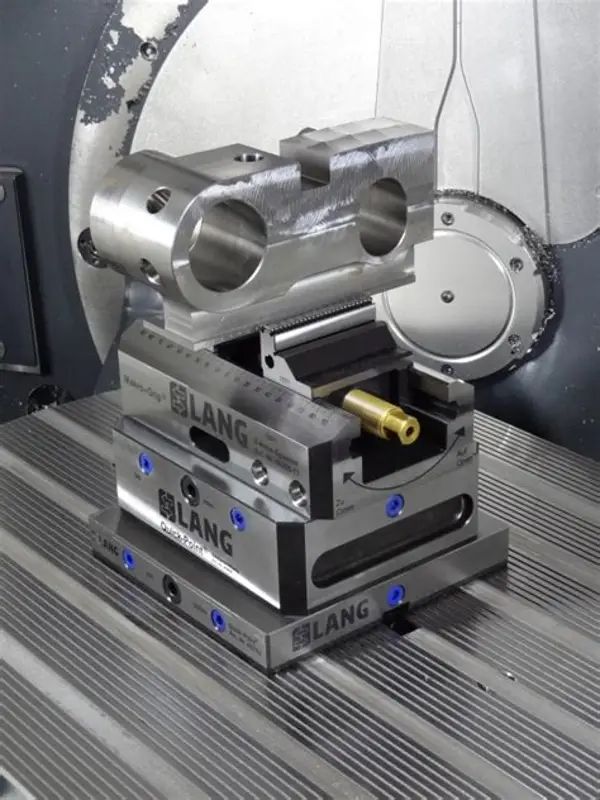
This reduced the principal milling operation from three planned setups to one primary setup. Fewer setups meant less alignment time and, importantly, reduced the opportunity for datum stack-up between operations.
Duplex stainless requires careful control of cutting conditions, particularly where thin sections and deep pockets can encourage vibration. The machining strategy therefore used conservative roughing parameters, high-feed approaches where appropriate and controlled step-downs to manage tool loading.
Toolpath optimisation also focused on maintaining consistent engagement rather than repeatedly entering and exiting the material. Finishing passes were programmed separately to control tool deflection and produce the required dimensional stability.
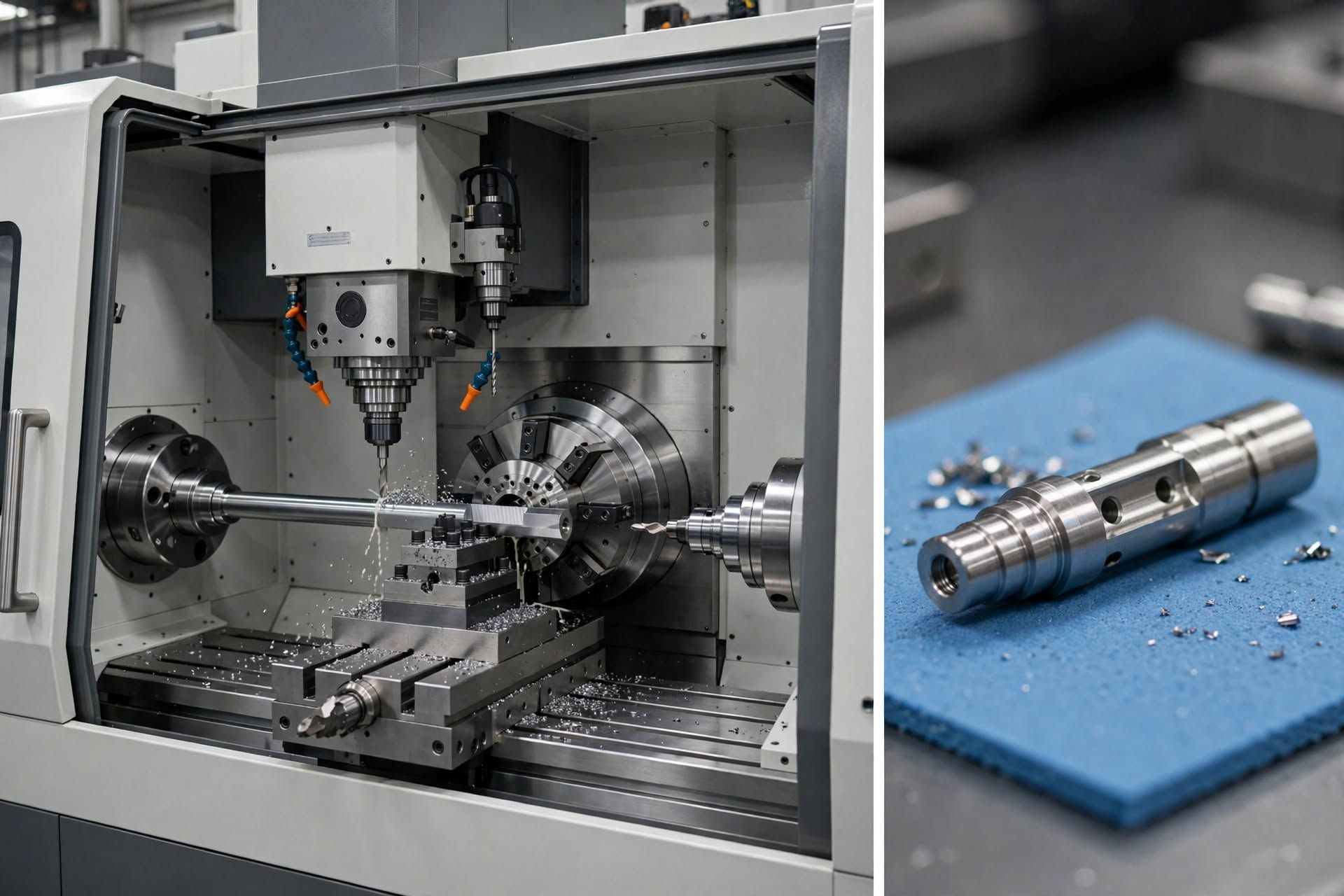
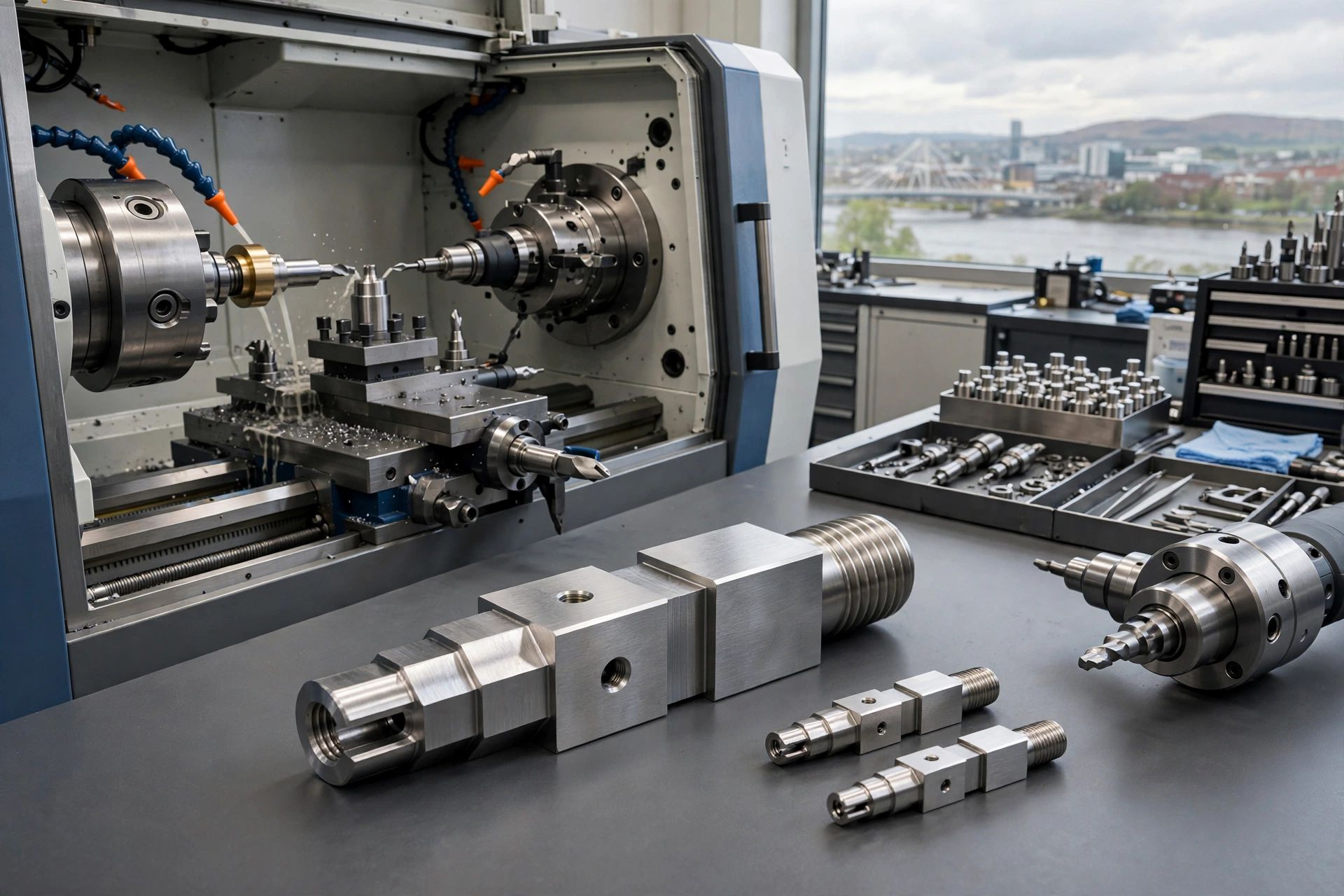
Several smaller precision turned parts associated with the fixture were manufactured independently using CNC precision turning. Where the component geometry demanded additional specialist work, EDM wire erosion Scotland capability provided an efficient solution for accurately producing a narrow internal feature that would have been difficult to machine conventionally.
Following machining, critical faces received controlled finishing operations. The primary functional surfaces were targeted at approximately Ra 1.6 µm, while non-functional machined surfaces were left to the agreed drawing specification.
The final stage involved deburring, cleaning, dimensional checks and sub-assembly engineering, allowing the client to receive a substantially completed fixture rather than coordinating several separate subcontractors.
The Outcome & Operational Impact
The revised manufacturing strategy reduced primary setup requirements by approximately 60% compared with the original multi-setup route. Milling cycle time was also reduced through consolidated toolpaths and fewer workholding changes.
The complete manufacturing lead time was shortened by approximately 25%, helping the client bring the fixtures into its wider assembly programme sooner.
The controlled finishing strategy achieved the required surface specification, with functional surfaces consistently produced around Ra 1.6 µm in the representative production route.
Most importantly, combining machining, EDM and finishing under one subcontract manufacturing route simplified procurement and coordination. For the client, this meant fewer supplier interfaces, less internal administration and a clearer production timeline.
This project demonstrates how CNC machining Scotland can combine advanced equipment with practical process engineering. For demanding components, the biggest efficiency gains often come not from machining faster, but from designing a smarter manufacturing sequence from the outset.