Accelerating EV Battery Production with High-Precision Cooling Plate Fixtures: A 5-Axis CNC Machining Case Study
The Challenge
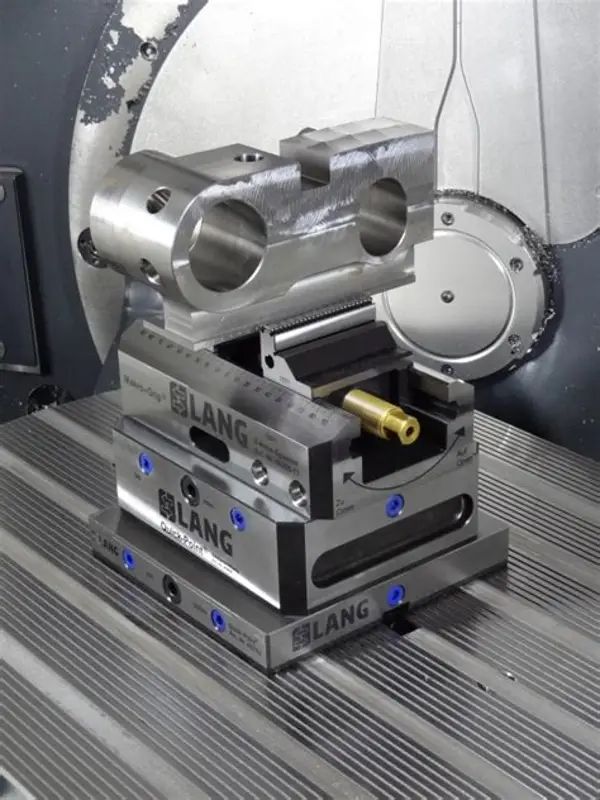
A Tier-2 automotive supplier supporting electric vehicle (EV) battery production approached Strategic Innovations Dundee Ltd with an urgent requirement for a high-precision cooling plate machining fixture. The fixture would hold lightweight aluminium battery cooling plates during secondary machining operations, requiring exceptional positional accuracy while allowing rapid loading and unloading during production.
The original fixture design relied on multiple fabricated components that required several machining setups and extensive manual adjustment during assembly. Thin support ribs and deep internal pockets increased the likelihood of vibration during machining, while several hardened locating inserts required tight positional control within ±0.015 mm.
The customer also needed an accelerated delivery schedule to support an expanding EV production programme. The challenge demanded a subcontract partner capable of combining CNC machining Scotland, precision engineering Dundee, and advanced finishing techniques into a streamlined manufacturing process without introducing unnecessary complexity or delays.
The Engineered Solution
Following a detailed engineering review, Strategic Innovations redesigned the manufacturing sequence to minimise setups while improving machining stability throughout production.
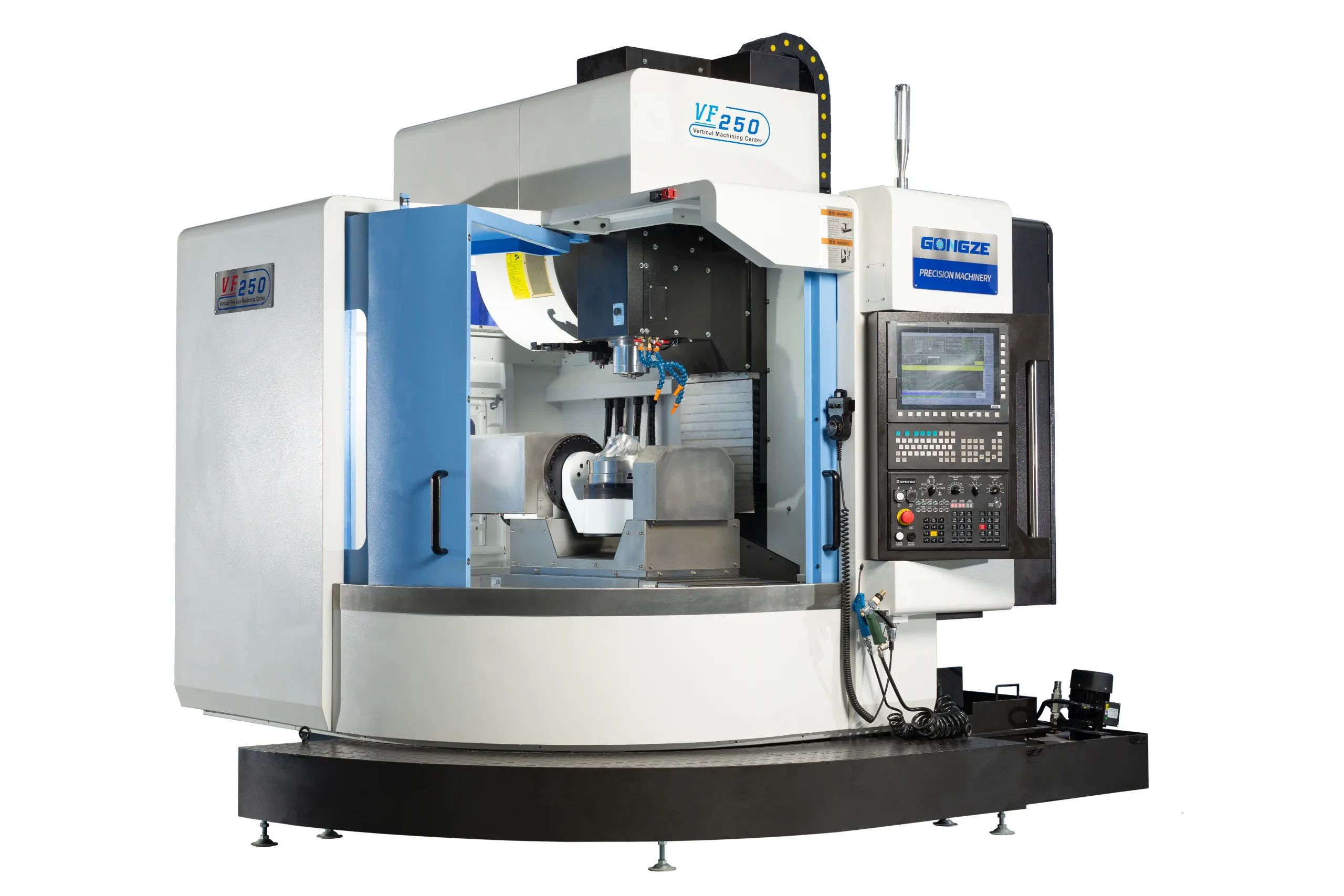
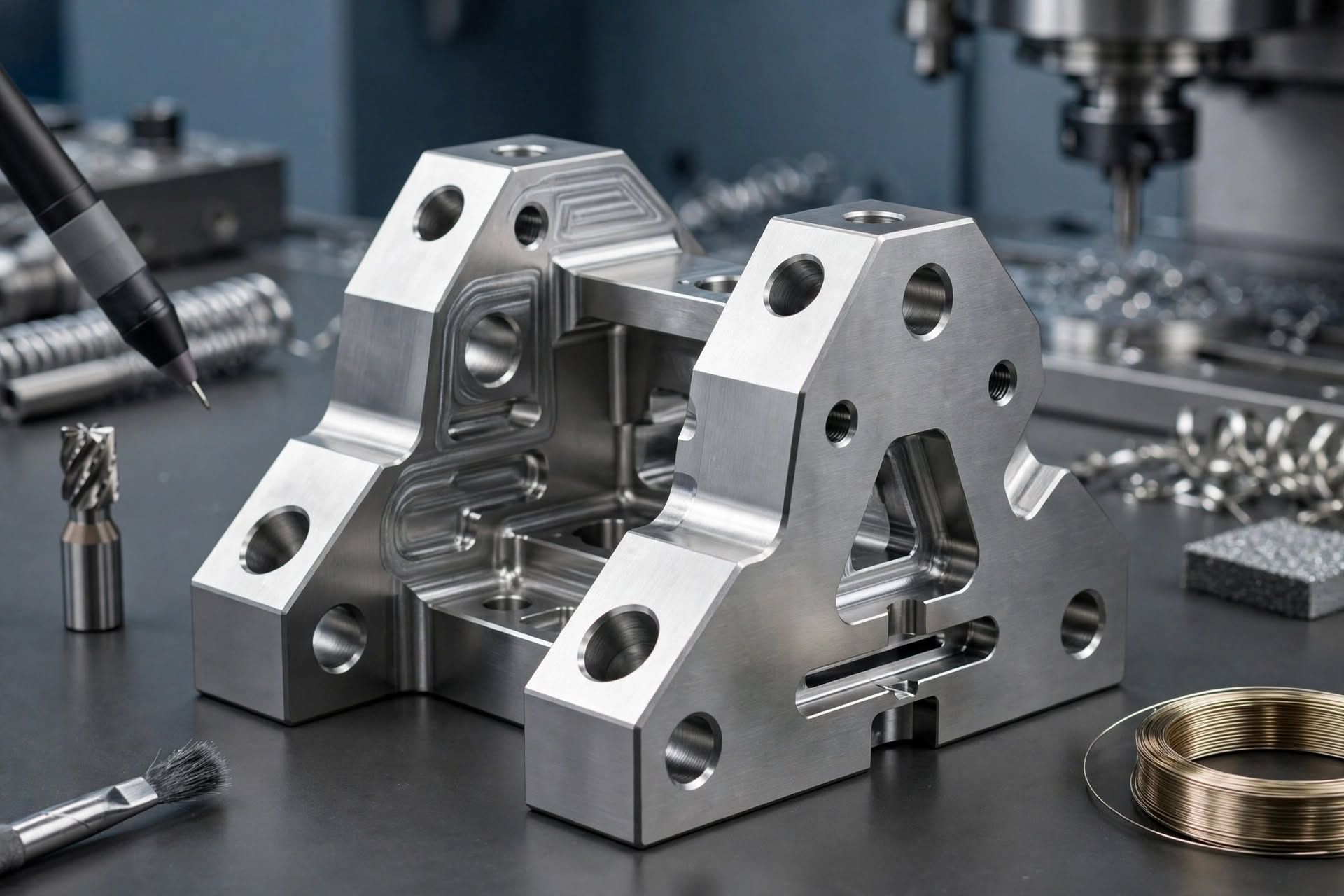
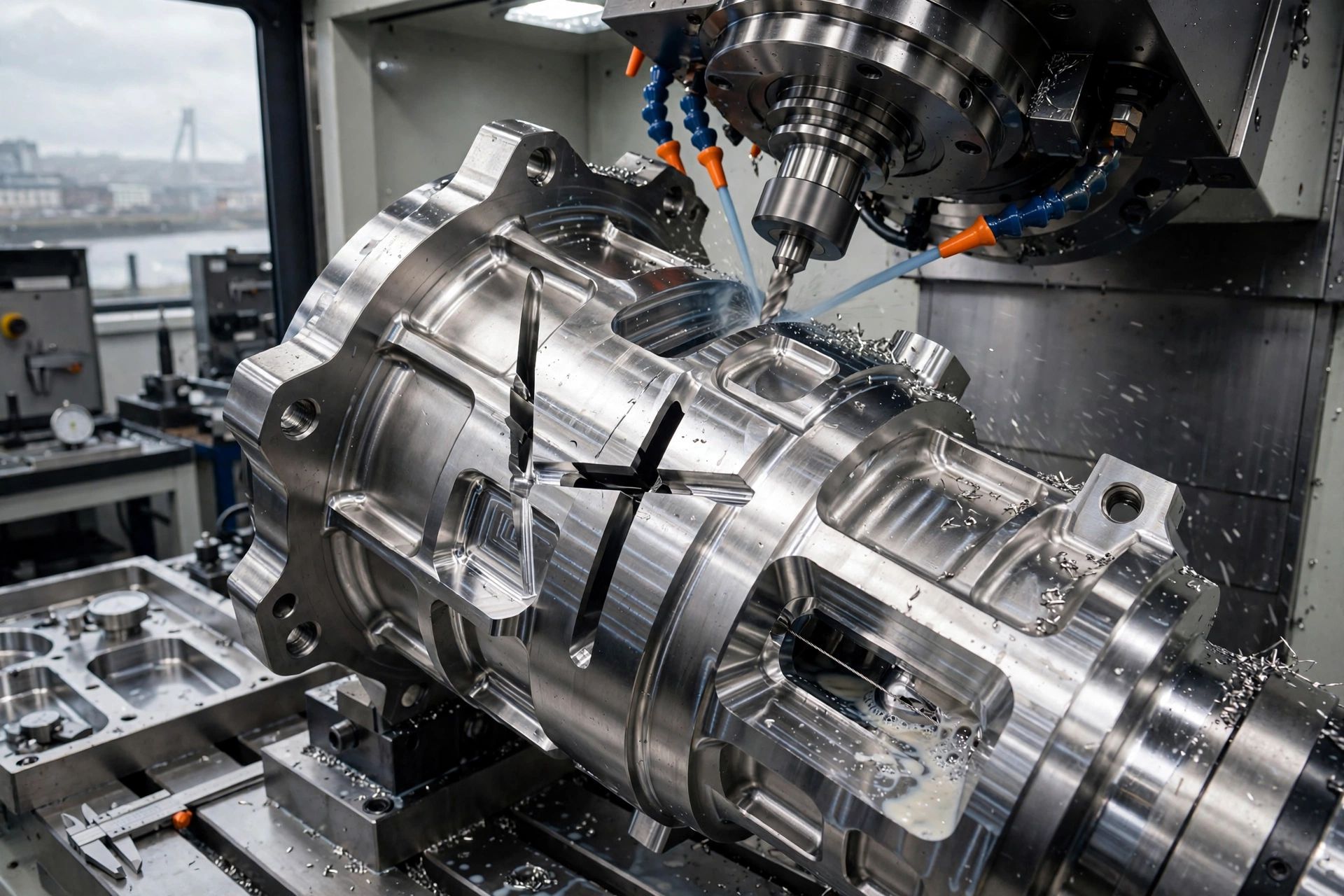
The primary fixture body was machined from aerospace-grade 6082-T6 aluminium billet using advanced 5-axis CNC milling. Rather than machining multiple individual sections before assembly, the engineering team consolidated the geometry into a largely single-piece construction. This reduced accumulated tolerance stack-up while significantly improving rigidity.
Simultaneous five-axis machining allowed multiple angled faces, precision datum surfaces, and internal pockets to be completed during a single setup. This approach reduced fixture repositioning, improved geometric consistency, and shortened overall production time.
To control tool deflection during deep cavity machining, adaptive toolpaths with variable radial engagement were programmed using high-feed carbide cutters. Roughing operations removed bulk material efficiently while maintaining thermal stability, followed by semi-finishing and fine finishing passes using reduced step-over values to achieve a surface finish averaging Ra 0.8 μm across functional contact surfaces.
Several hardened steel location inserts required precision slots and intricate internal profiles beyond the practical limits of conventional milling. These components were manufactured using EDM wire erosion Scotland processes, producing burr-free features with exceptional dimensional repeatability while eliminating machining stresses associated with conventional cutting.
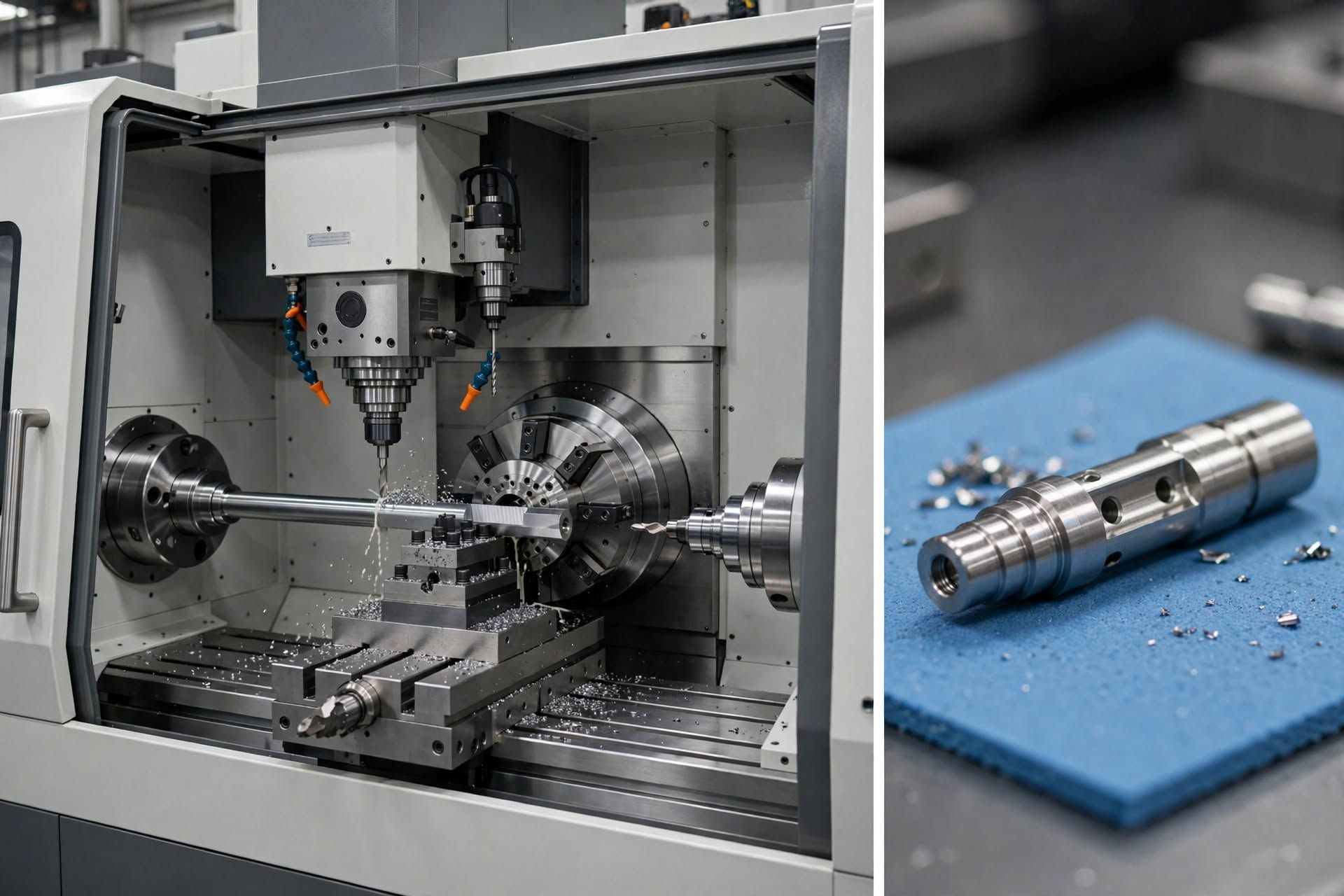
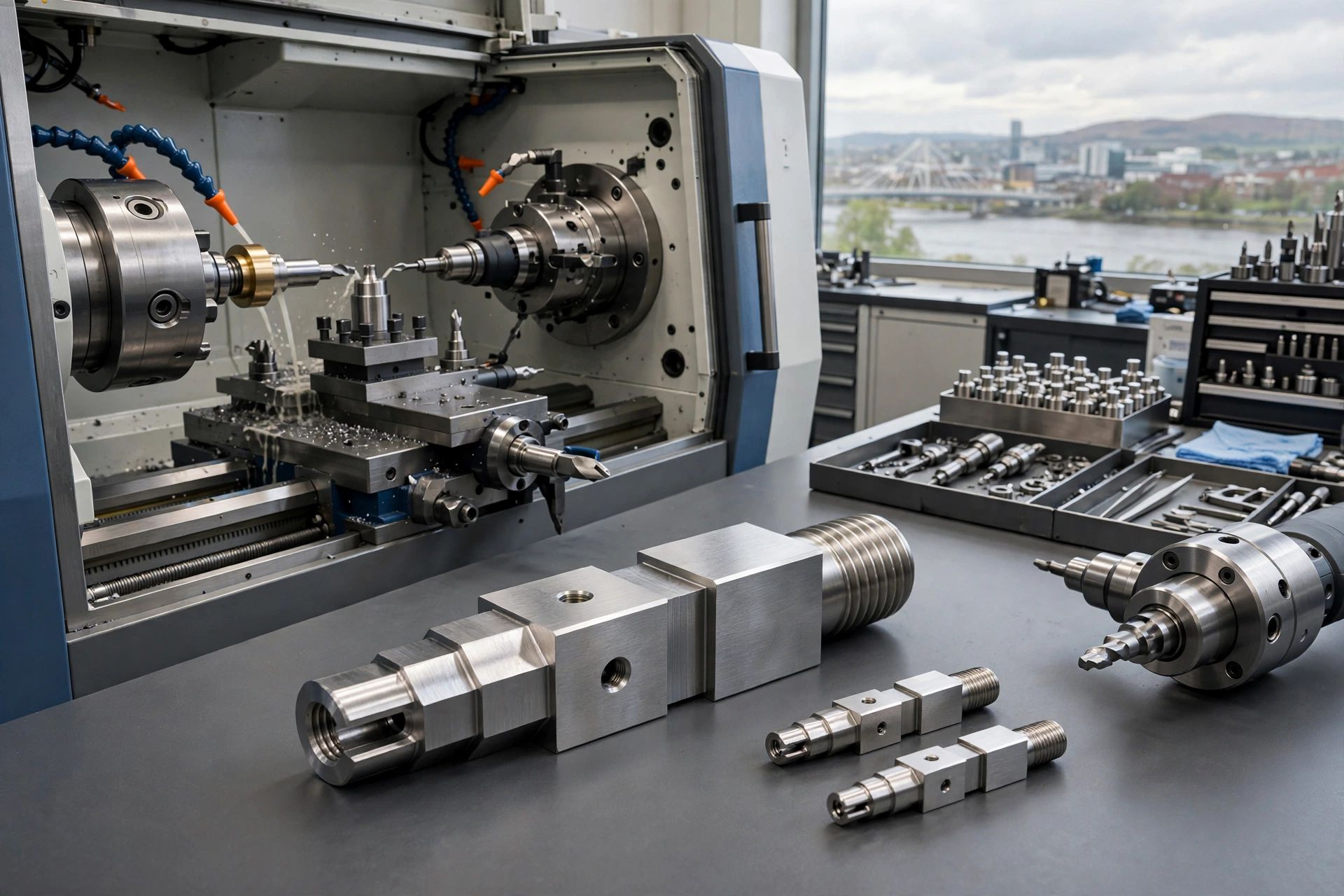
Supporting dowel pins, threaded bushes and precision fasteners were manufactured through CNC sliding head turning, producing consistent, repeatable precision turned parts for high-volume assembly. Tight concentricity ensured accurate alignment throughout repeated production cycles.
After machining, all aluminium components underwent precision deburring, edge refinement, laser marking for traceability, and final dimensional inspection. The completed fixture entered the company’s sub-assembly engineering department where technicians assembled and verified every locating surface, clamping mechanism, and interchangeable insert before customer delivery.
The result was a complete turnkey solution delivered through a single manufacturing partner, eliminating the coordination challenges associated with sourcing multiple subcontract suppliers.
The Outcome & Operational Impact
The redesigned manufacturing strategy delivered measurable operational improvements for the customer.
By utilising 5-axis CNC milling, setup operations were reduced from four separate machining stages to a single primary setup, decreasing setup time by approximately 62%. Adaptive machining strategies reduced overall cycle time by 28%, while maintaining dimensional consistency across every critical locating feature.
Surface finishing consistently achieved Ra 0.8 μm, ensuring secure workpiece location throughout repeated machining operations. EDM-produced insert profiles eliminated secondary fitting work, reducing assembly time by approximately 35%.
Combining precision engineering Dundee, CNC sliding head turning, laser marking, finishing, and complete sub-assembly engineering within one facility shortened overall project lead time by nearly 30%, allowing the customer to commission their new production line ahead of schedule.
For manufacturers operating in fast-moving sectors such as automotive, energy, and advanced engineering, this project demonstrates how intelligent machining strategies and integrated subcontract manufacturing can significantly improve productivity while maintaining the precision demanded by modern production environments.
Have a complex engineering component or production bottleneck? Send your technical specifications and RFQ straight to the engineering team at Strategic Innovations Dundee Ltd for a comprehensive manufacturing evaluation.