How Digital Twin Manufacturing Is Transforming CNC Subcontract Engineering Across the UK
The Challenge
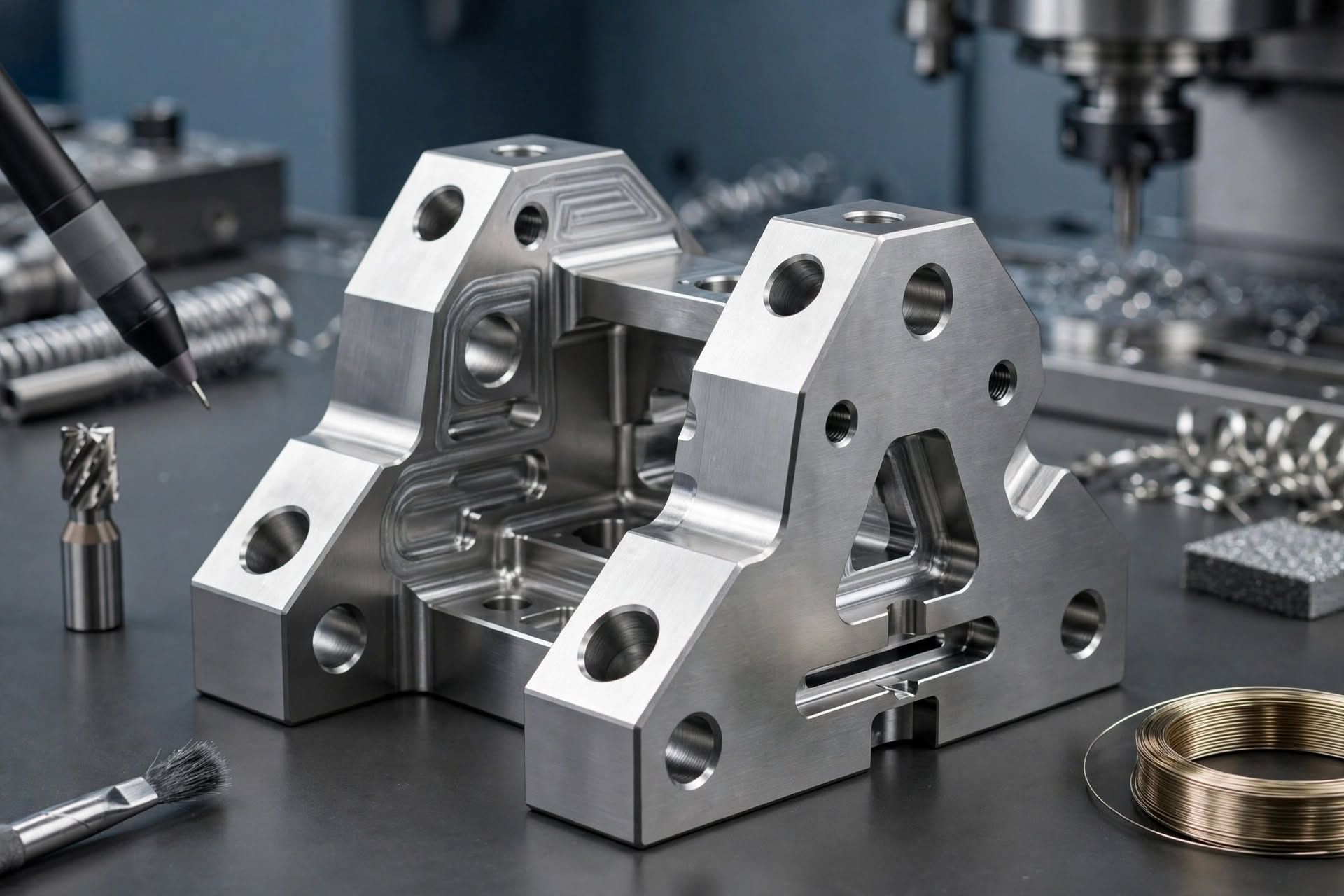
A renewable energy equipment manufacturer developing a new inspection system required a series of precision aluminium and 316 stainless steel sensor mounting housings for field testing. Although the components were not safety-critical, they featured complex intersecting bores, multiple machined faces, threaded ports, and intricate internal pockets that traditionally required several machine setups.
The client also planned multiple design revisions during prototype development. Every design change meant new programming, additional prove-out time, increased material costs, and delayed delivery. Their biggest concern wasn’t machining capability—it was reducing development risk before cutting expensive material.
This is where Digital Twin Manufacturing has become one of the fastest-growing trends in CNC machining Scotland. Instead of relying solely on physical trial machining, manufacturers now simulate complete machining strategies virtually before production begins.
The Engineered Solution
Strategic Innovations Dundee Ltd adopted a digital-first manufacturing workflow to streamline the project from programming through final assembly.
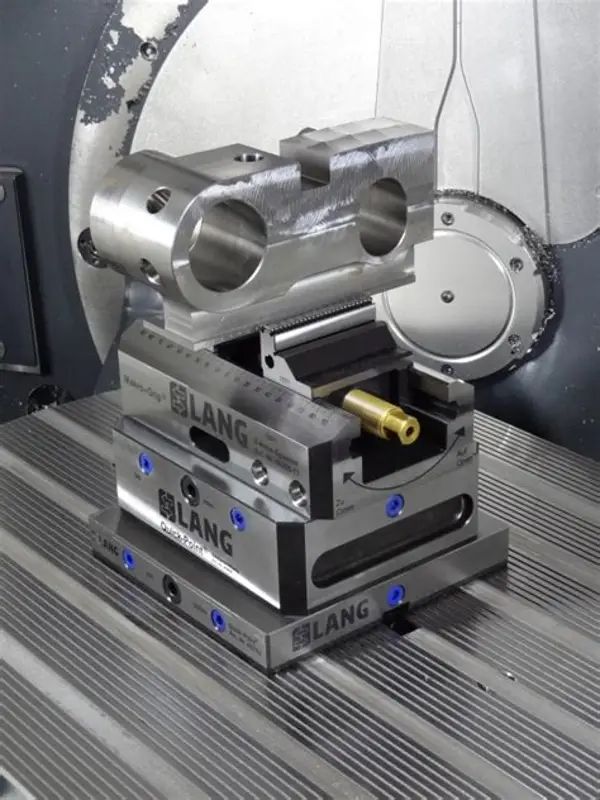
The engineering team first imported the customer’s 3D CAD model into CAM software to create a complete virtual machining environment. Every machining operation—including workholding orientation, tool selection, spindle speeds, feed rates, cutter engagement, and collision detection—was validated digitally before production started.
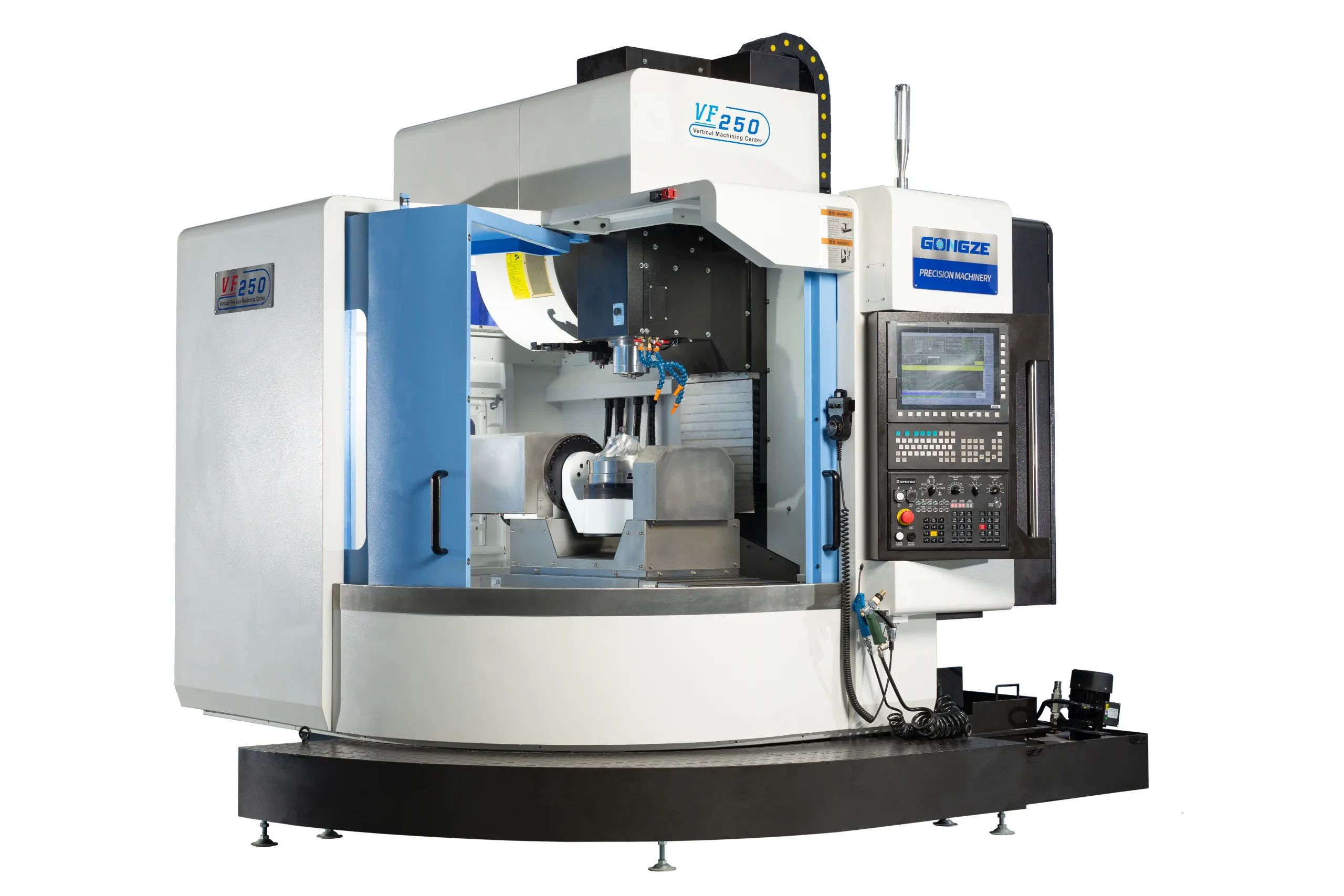
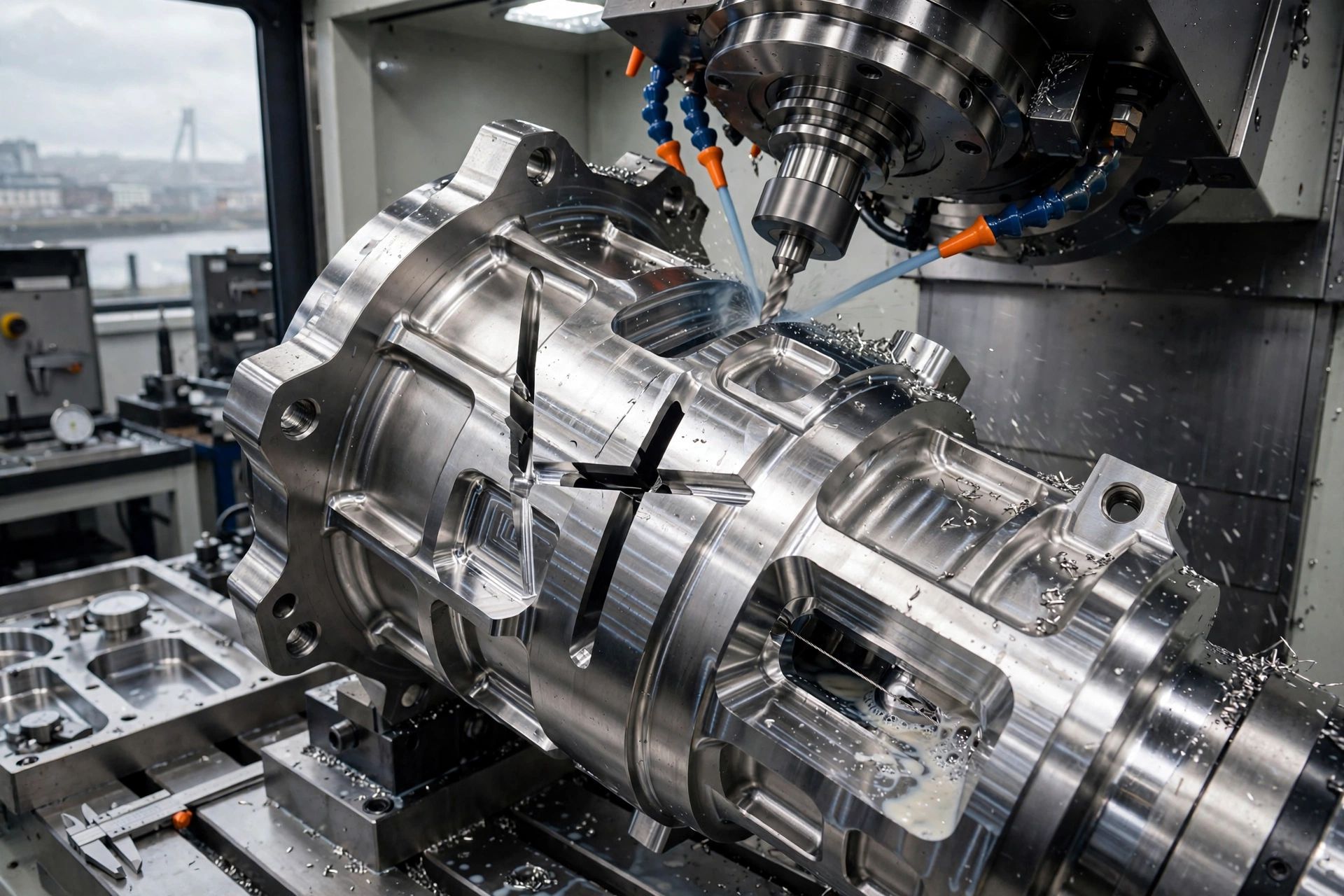
Using 5-axis CNC milling, engineers optimised tool access so multiple angled features could be machined in one setup instead of four separate operations. Collision simulation confirmed safe toolpaths around deep pockets while adaptive roughing strategies minimised cutter load and reduced vibration.
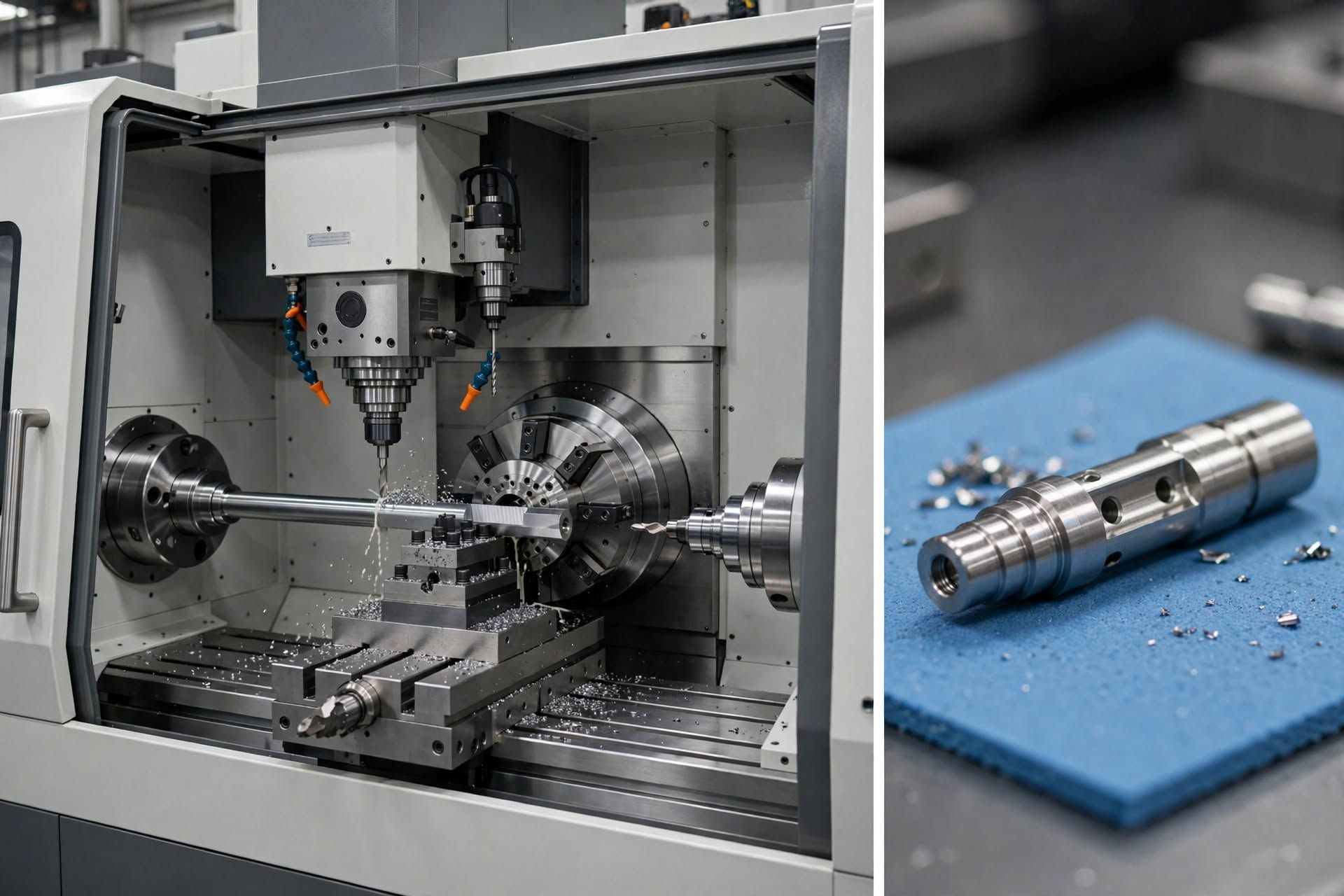
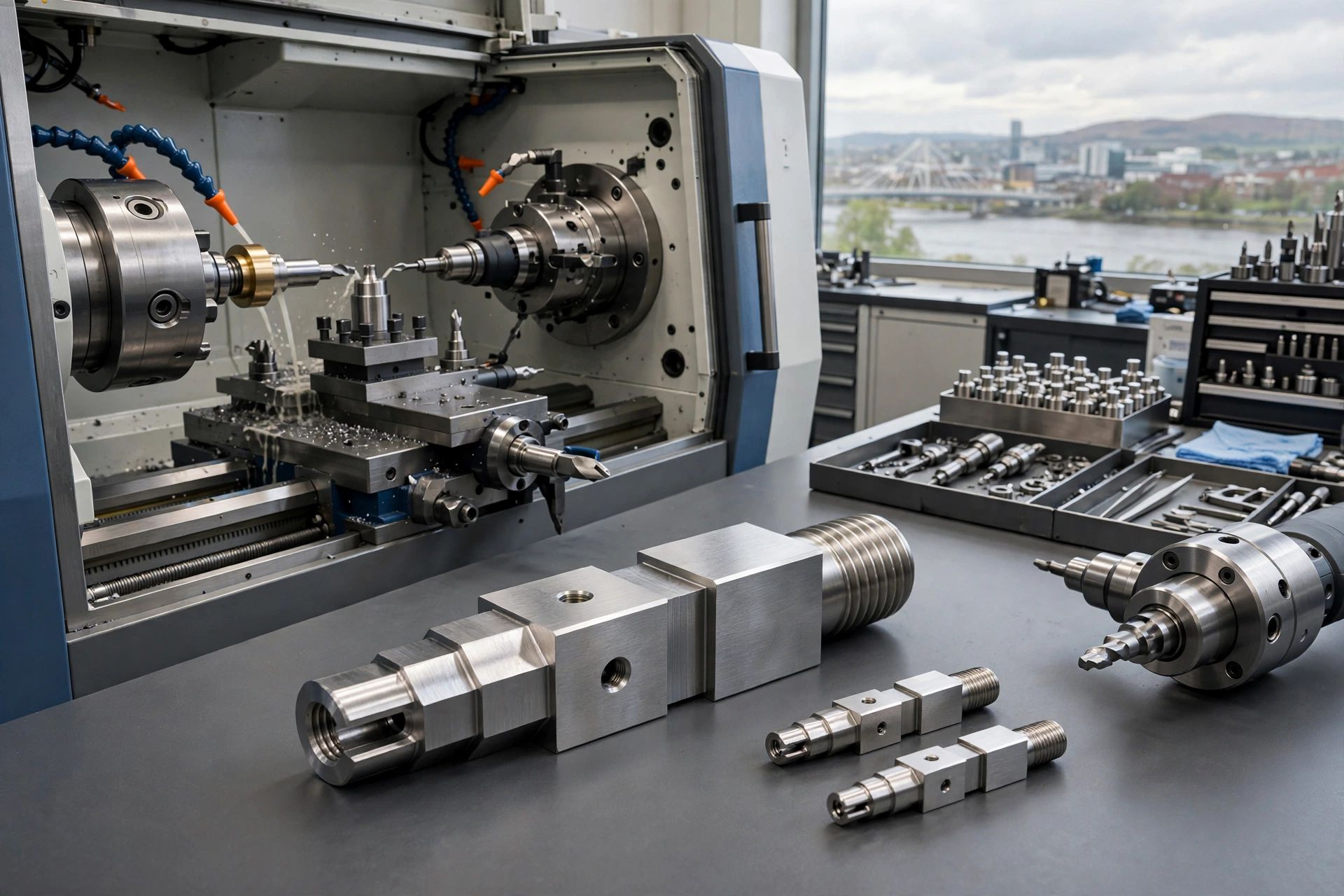
Several precision dowel sleeves and threaded locating pins were produced using CNC sliding head turning, allowing high-volume manufacture with exceptional concentricity and repeatability.
One internal square feature with sharp corners exceeded the capabilities of conventional milling cutters. Rather than redesigning the component, engineers completed the profile using EDM wire erosion Scotland, producing crisp internal geometry while maintaining dimensional accuracy without inducing cutting forces.
Following machining, every component received fine surface finishing, laser part identification, and dimensional verification before progressing to sub-assembly engineering, where bushes, threaded inserts, and alignment hardware were installed to create fully assembled prototype units ready for customer testing.
By validating machining operations digitally before production began, the project avoided costly trial runs while significantly reducing machine downtime.
The Outcome & Operational Impact
The digital manufacturing strategy produced measurable operational improvements throughout the prototype programme.
Key project results included:
As Digital Twin Manufacturing continues gaining momentum across UK industry, combining virtual machining with advanced precision engineering Dundee capabilities allows subcontract manufacturers to deliver greater efficiency, lower costs, and faster product development without compromising machining quality.
Whether producing prototypes, production tooling, precision housings, or specialist industrial components, integrating simulation technology with 5-axis CNC milling, CNC sliding head turning, and subcontract manufacturing UK creates a smarter path from CAD model to finished part.
Have a complex engineering component or production bottleneck? Send your technical specifications and RFQ straight to the engineering team at Strategic Innovations Dundee Ltd (https://www.strategic-innovations.co.uk) for a comprehensive manufacturing evaluation.