Introduction
High-accuracy CNC (Computer Numerical Control) machining has become a cornerstone of modern manufacturing, particularly in industries where precision, reliability, and consistency are critical. Two sectors that heavily depend on ultra-precise machining are aerospace engineering and medical engineering. In aerospace, even the smallest dimensional error can compromise aircraft performance or passenger safety. In medical engineering, micron-level tolerances are essential for implants, surgical instruments, and diagnostic devices that directly interact with the human body.
Advanced CNC machining technologies provide manufacturers with the ability to produce highly complex components with exceptional dimensional accuracy, surface finish, and repeatability. The integration of automation, CAD/CAM systems, and multi-axis machining has transformed CNC manufacturing into a highly sophisticated process capable of meeting stringent industrial standards.
Understanding High-Accuracy CNC Machining
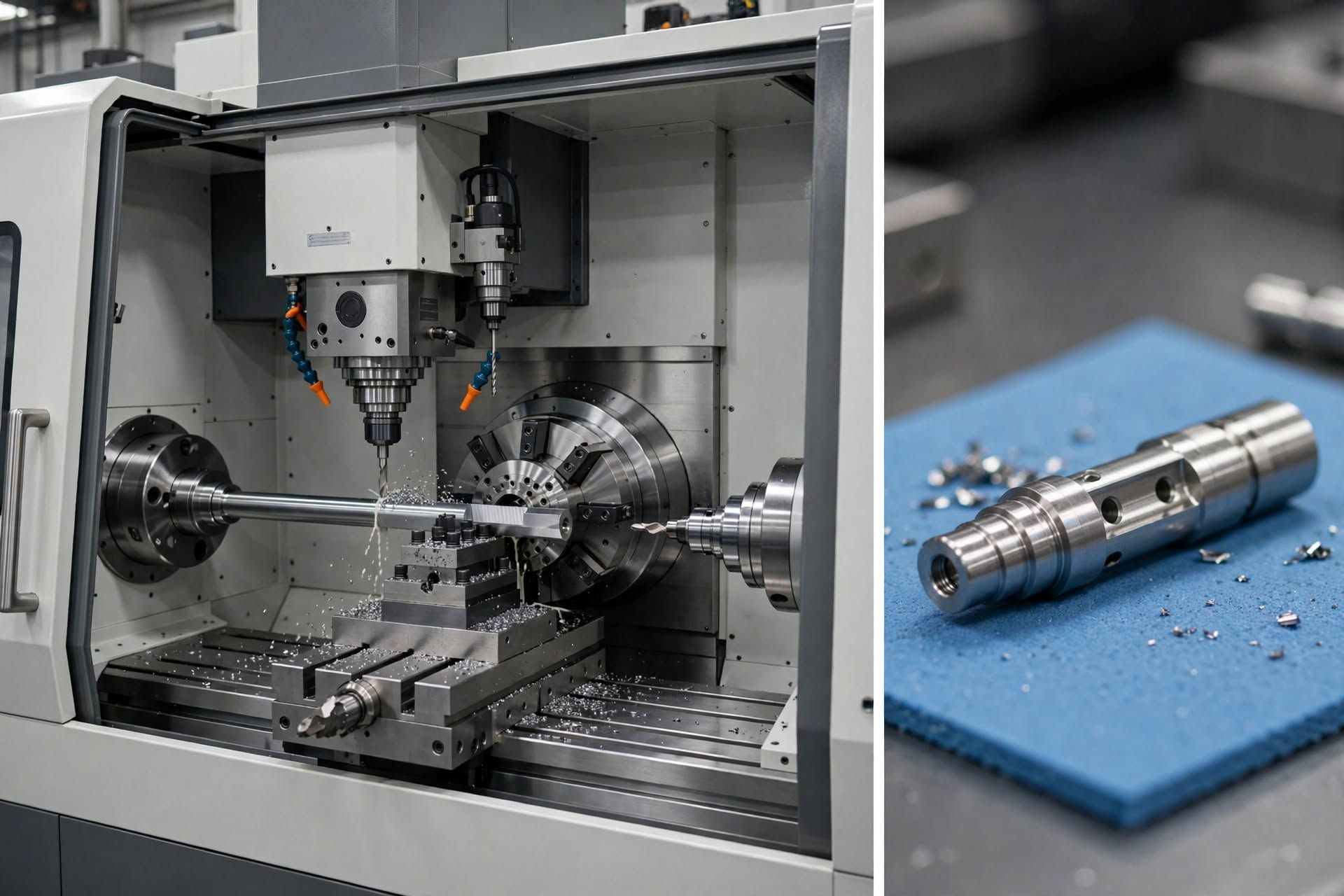
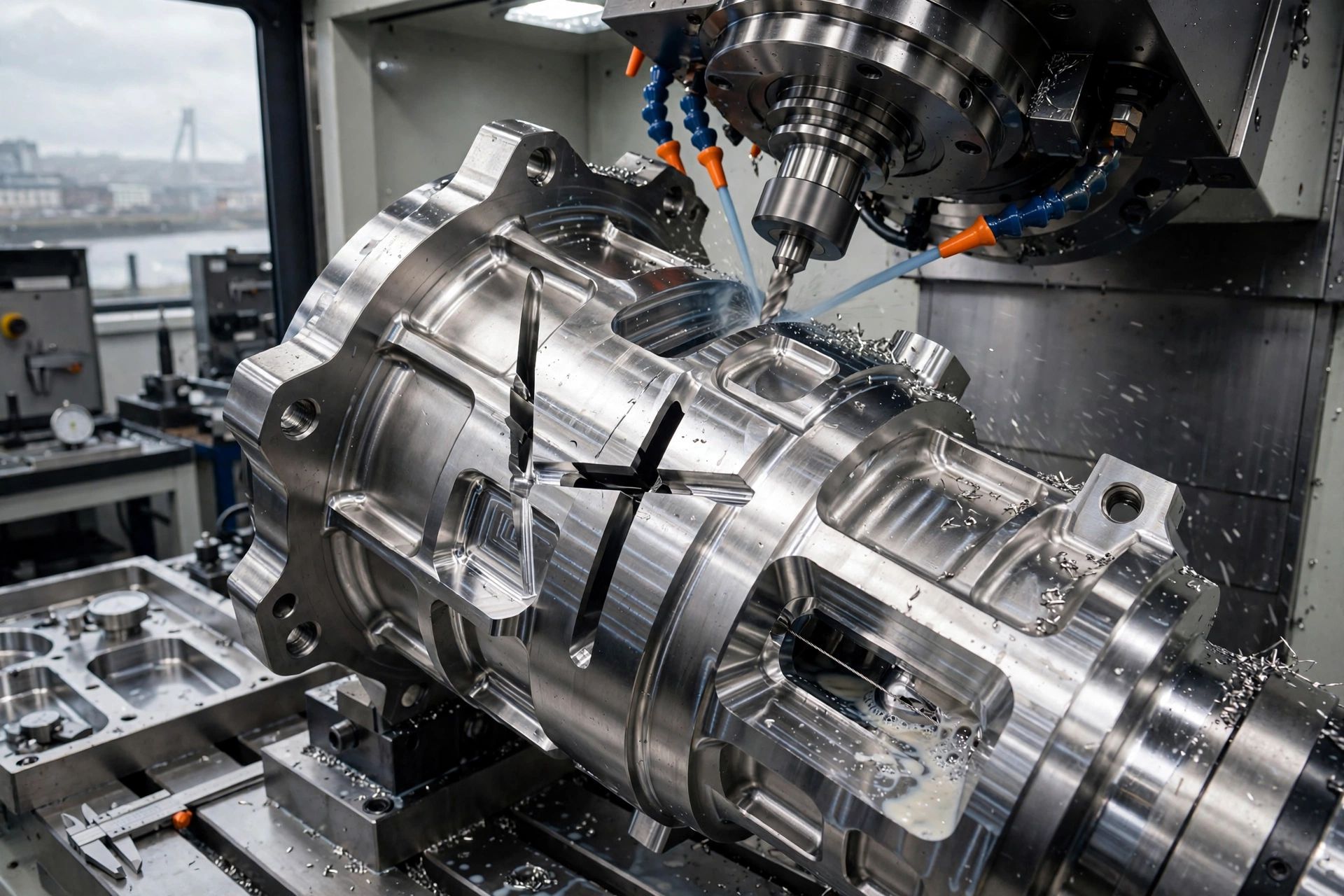
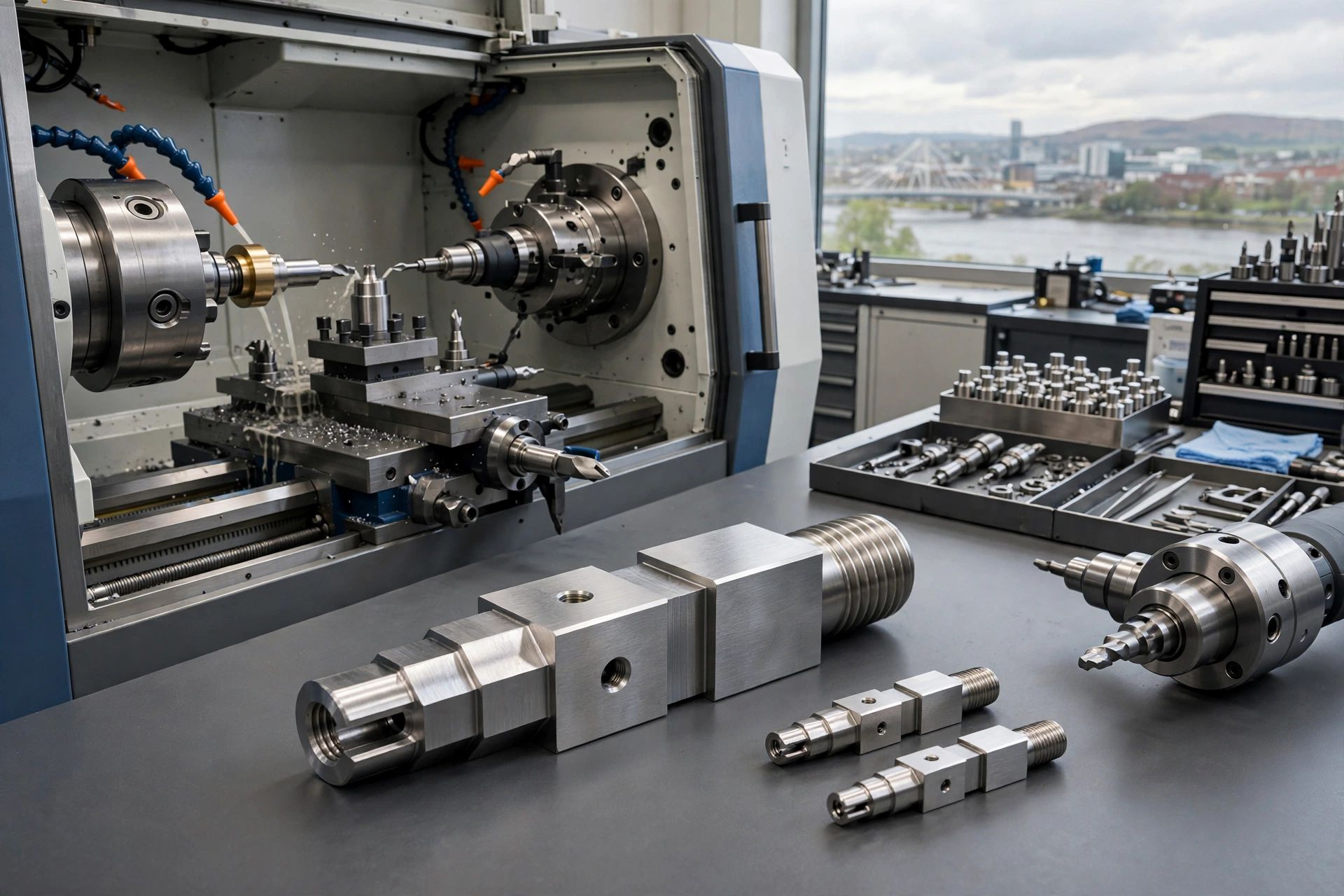
CNC machining is a subtractive manufacturing process where computer-controlled tools remove material from a workpiece to create precise shapes and geometries. High-accuracy CNC machining refers to machining operations capable of maintaining extremely tight tolerances, often within microns (µm).
Typical tolerance levels include:
- Standard machining: ±0.1 mm
- Precision machining: ±0.01 mm
- Ultra-precision machining: ±1–5 µm
Micron-level tolerances require advanced machinery, stable environmental conditions, high-quality tooling, and sophisticated measurement systems.
Importance in Aerospace Engineering
1. Critical Performance Requirements
Aerospace components operate under extreme conditions including:
- High temperatures
- Intense pressure
- Rapid velocity
- Continuous vibration
- Corrosive environments
Because of these factors, aerospace parts must meet strict dimensional and material specifications. Precision CNC machining ensures that components fit perfectly and perform reliably.
2. Aerospace Components Manufactured with CNC Machining
Common aerospace components include:
- Turbine blades
- Engine housings
- Landing gear components
- Structural brackets
- Fuel system parts
- Avionics enclosures
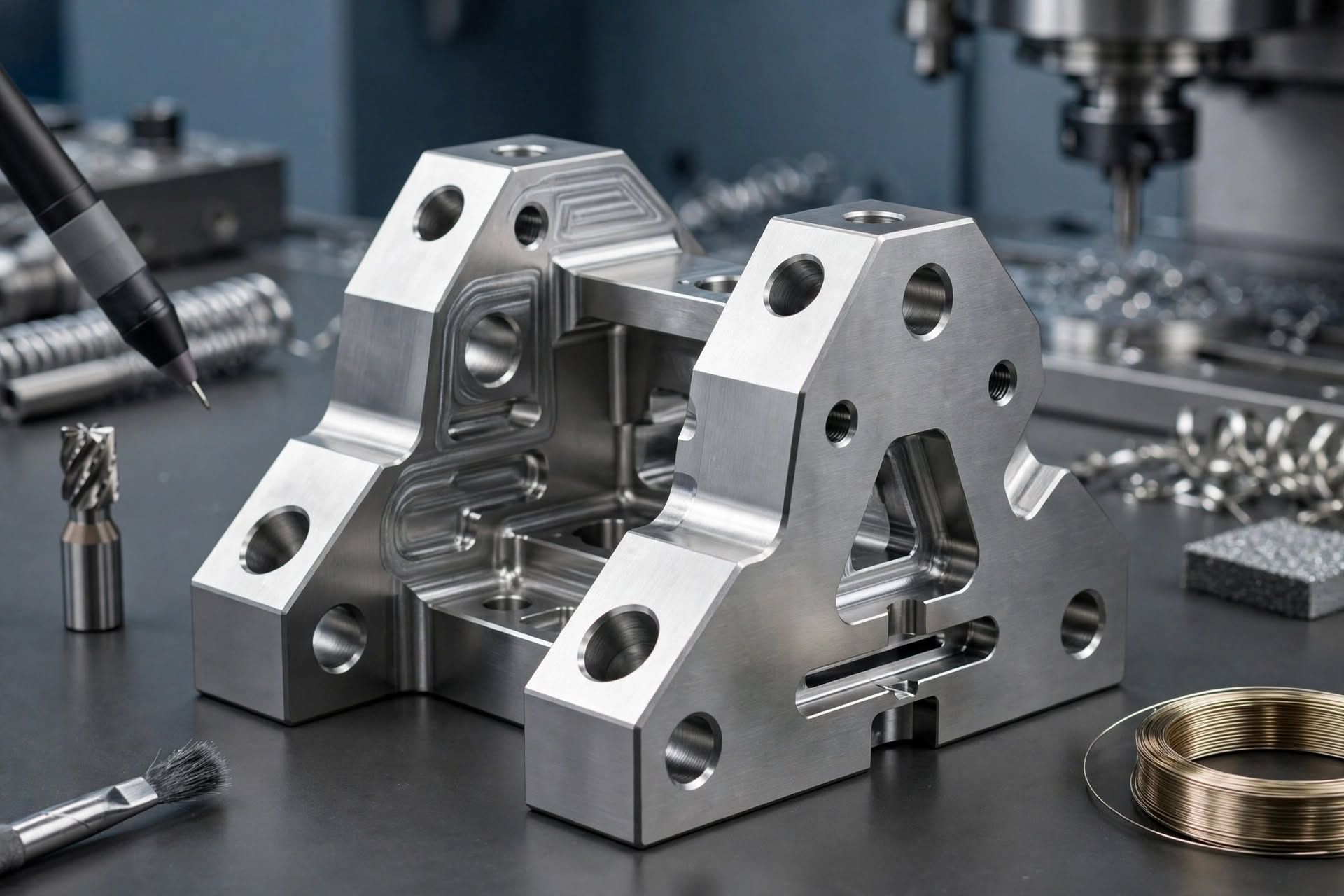
These components often contain intricate geometries and complex contours that require multi-axis CNC machining.
3. Materials Used in Aerospace CNC Machining
Aerospace manufacturing frequently uses difficult-to-machine materials such as:
- Titanium alloys
- Inconel
- Aluminum aerospace grades
- Stainless steel
- Carbon fiber composites
These materials provide strength and heat resistance but demand specialized machining strategies and cutting tools.
4. Benefits of High-Accuracy CNC in Aerospace
Enhanced Safety
Precise manufacturing reduces the risk of component failure during flight operations.
Weight Reduction
CNC machining enables lightweight designs without sacrificing strength, improving fuel efficiency.
Superior Repeatability
Identical components can be reproduced consistently across large production batches.
Complex Geometry Production
Five-axis CNC machines can create highly detailed and aerodynamic designs.
Micron-Level Tolerances in Medical Engineering
1. Need for Extreme Precision
Medical devices and implants must interact accurately with the human body. Even a tiny deviation may result in:
- Implant rejection
- Device malfunction
- Surgical complications
- Reduced patient safety
Micron-level precision is therefore essential.
2. Medical Components Requiring Precision Machining
Examples include:
- Orthopedic implants
- Dental implants
- Bone screws
- Surgical instruments
- Catheter components
- Prosthetic devices
- Microfluidic systems
These products often require exceptional surface quality and biocompatibility.
3. Materials Used in Medical CNC Machining
Medical engineering commonly uses:
- Medical-grade titanium
- Stainless steel
- Cobalt-chrome alloys
- PEEK polymers
- Biocompatible plastics
These materials require contamination-free machining environments and precise finishing techniques.
Technologies Enabling Micron-Level Accuracy
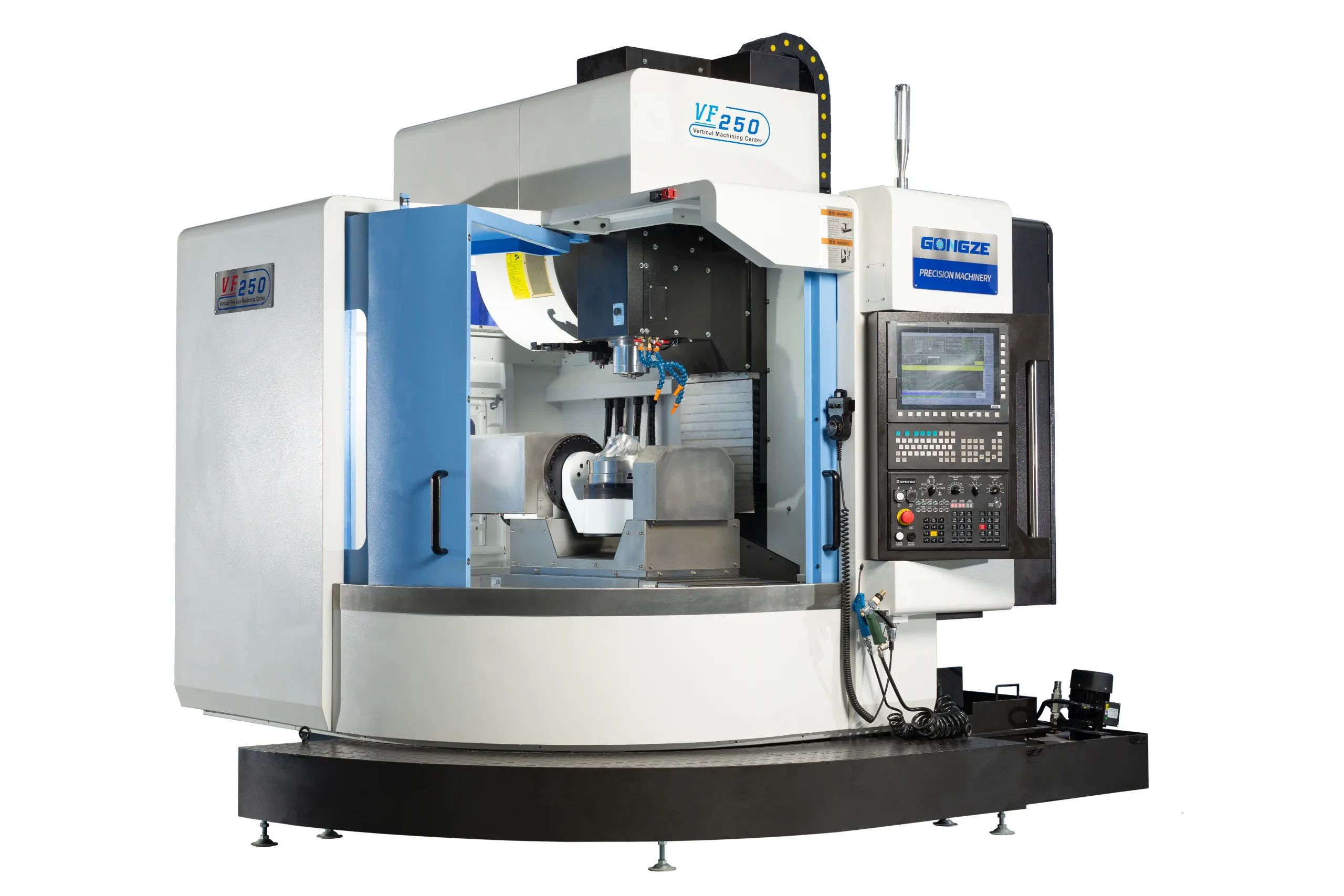
1. Multi-Axis CNC Machines
Modern 5-axis and 7-axis CNC systems allow simultaneous movement along multiple axes, improving:
- Geometric precision
- Surface finish
- Machining efficiency
2. CAD/CAM Integration
Computer-Aided Design (CAD) and Computer-Aided Manufacturing (CAM) software enable accurate digital modeling and toolpath generation.
3. Advanced Metrology Systems
Precision inspection tools ensure compliance with micron-level tolerances:
- Coordinate Measuring Machines (CMM)
- Laser scanners
- Optical measurement systems
- Surface profilometers
4. Thermal Stability Control
Temperature variations can affect machining accuracy. High-precision facilities use climate-controlled environments to maintain dimensional consistency.
5. High-Speed Machining (HSM)
High-speed machining reduces cutting forces and vibration, improving precision and surface quality.
Challenges in High-Accuracy CNC Machining
Tool Wear
Machining hard materials causes rapid tool degradation, affecting dimensional accuracy.
Thermal Expansion
Heat generated during machining may expand both tools and workpieces, creating measurement deviations.
Vibration and Chatter
Machine vibrations reduce surface quality and dimensional precision.
Cost Factors
Ultra-precision machining requires expensive equipment, skilled operators, and rigorous quality control systems.
Quality Standards and Certifications
Aerospace Standards
The aerospace industry follows strict standards such as:
- AS9100 Quality Management System
- NADCAP certification
- FAA compliance regulations
Medical Standards
Medical manufacturing must comply with:
- ISO 13485
- FDA regulations
- Biocompatibility standards
These certifications ensure safety, reliability, and process consistency.
Future Trends in Precision CNC Machining
Artificial Intelligence and Automation
AI-driven systems can optimize toolpaths, monitor tool wear, and predict maintenance requirements.
Hybrid Manufacturing
Combining additive manufacturing with CNC machining enables highly complex and lightweight component production.
Nanotechnology Integration
Emerging nano-machining techniques may push tolerances beyond micron levels into nanometer precision.
Smart Factories
Industry 4.0 technologies connect machines, sensors, and quality systems for real-time monitoring and process optimization.
Conclusion
High-accuracy CNC machining plays a vital role in aerospace and medical engineering, where precision directly impacts safety, functionality, and performance. Aerospace applications demand reliable, lightweight, and durable components capable of operating in extreme environments, while medical engineering requires micron-level tolerances for implants and surgical devices that interact with the human body.
Advancements in multi-axis machining, CAD/CAM integration, metrology systems, and automation continue to improve machining capabilities and precision standards. As industries evolve toward smarter and more efficient manufacturing systems, high-accuracy CNC machining will remain essential for producing next-generation aerospace and medical technologies.